



Lower back pain (kamar dard): causes, treatment and when to see a doctor
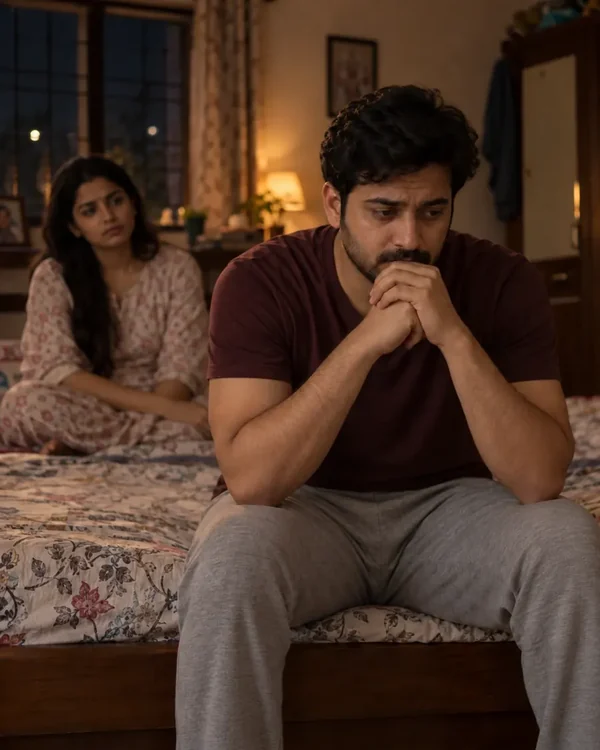
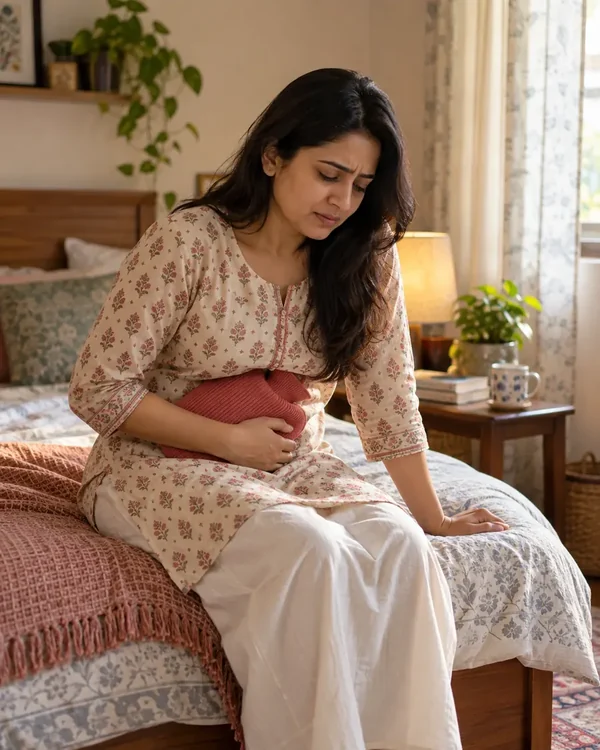
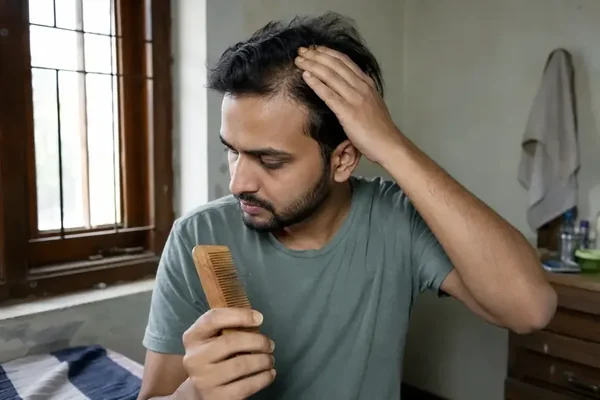
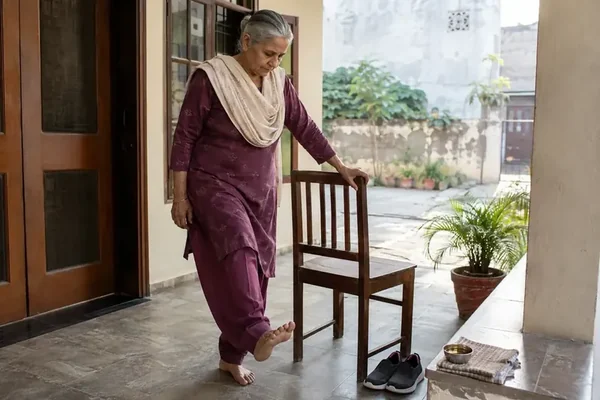
Does this sound like you?
Short answer: Back pain is very common and is usually not caused by anything serious.1 Staying active, with an exercise programme suited to you, is the core of care.2
Urgent signs: new trouble passing urine or controlling your bladder or bowel, numbness around the genitals or buttocks, or weakness in both legs need a hospital the same day.3 The full list is under “When it should not wait”.
Lower back pain usually shows itself in these ways:
- Your lower back aches or catches when you bend, lift or turn.
- It is stiff when you get out of bed, or after sitting for a long time.
- Long hours at a desk, on a two-wheeler or standing at work make it worse.
- It keeps coming back, every few weeks or months.
- You have been taking a painkiller most days to get through work.
When it keeps returning, limits work or sleep, or comes with any sign in the next section, it is worth a proper look. If it is your neck or a joint that hurts, start from joint, back and neck pain.
What it is, and what it isn't
Lower back pain is pain between the bottom of the ribs and the top of the legs. Most of it is "non-specific": it comes from the muscles, joints and discs of the back, without one damaged part that a scan can point to.2 People also say "kamar dard" or "kamar akad gayi". Some call it "spinal cord pain", but it usually comes from the muscles, joints and discs around the spine, not from the spinal cord itself.
| It is | It isn't |
|---|---|
| Pain that changes with movement, sitting and posture | Explained by every finding on an MRI; many changes are common without pain |
| More likely with heavy lifting, long sitting and low activity | A reason to stay in bed |
| Often a pattern that comes and goes | Sciatica, unless the pain runs below the knee |
If pain runs from the buttock down the leg, below the knee, with tingling or numbness, read sciatica. If you wonder whether gas or a stomach upset is behind it, gas and bloating answers whether gas can cause back pain.
When it should not wait
Back pain is usually not an emergency. These patterns are different.
Urgent signs
Get emergency care now if back pain comes with:
- new difficulty passing urine, or losing control of your bladder or bowel;
- numbness around the genitals, buttocks or inner thighs;
- weakness in both legs, or weakness that is getting worse.
This can be cauda equina syndrome, and it needs a hospital the same day.3
Get urgent care the same day if:
- you have a fever or feel very unwell with back pain;
- it started after a fall or an accident, especially if your bones are weak;
- the pain is sudden and severe.1
Arrange a prompt review if: you are losing weight without trying, you have had cancer, or the pain is constant and worse at night.2
How Dr. Sharma assesses it
Your back is examined in person: how you bend and stand, where it is tender, and the nerves in your legs.
- Where and since when. One side or the middle; whether it runs into the buttock or leg; after a lift, a fall or gradually.
- The pattern. Stiffness in the morning and how long it lasts; night pain; what eases or worsens it: sitting, bending, walking, lying down.
- Work and posture. Desk hours, driving, lifting, sleep position, activity and weight.
- Health and medicines. Diabetes, thyroid or bone problems; every painkiller, injection, steroid or oil you have used, and for how long. Long daily painkiller use is worth reviewing.
- Reports, and tests only when useful. Bring any X-ray or MRI. Most back pain does not need a scan; one is suggested when a warning sign or the examination calls for it.2
What treatment can and can't promise
- No single oil, belt or tablet. The plan follows the cause and the pattern.
- Keep moving. Staying as active as you can, and an exercise programme suited to you, are part of recommended care.2 To relieve lower back pain at home, the guide to kamar dard: causes and home care (gharelu upay) has the day-to-day steps, including exercise and yoga.
- Within scope, or referred. Once you have been assessed, you get posture, work and routine guidance, and Ayurvedic treatment where it suits you. A physiotherapist or an orthopaedic or spine specialist is suggested when that is right.
- Honest outcomes. Most back pain eases over weeks, but it often returns, and the plan aims to make episodes less frequent and less disruptive. How long it takes is decided after assessment.
- Back pain medicine. Painkillers can make it easier to keep moving for a while; they don't fix the cause, and long use has its own risks. An Ayurvedic medicine is considered only after assessment, and no product is named here.
- Follow-up. At a review, Dr. Sharma asks how long you can now sit or stand, how your nights are and how work is going, and adjusts the plan.
Your doctor
Your doctor
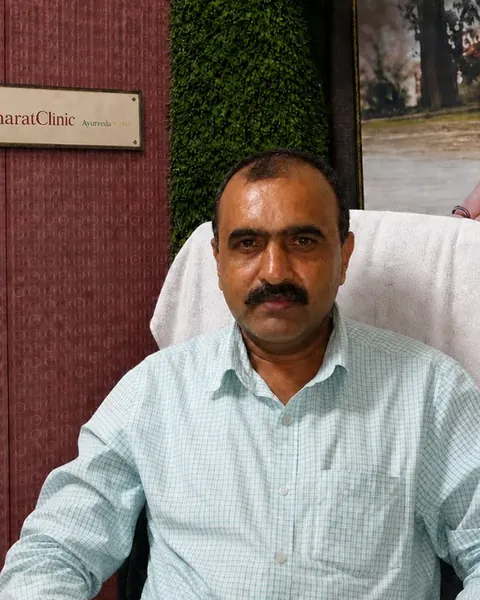
Dr. D.K. Sharma, the Ayurvedic doctor who sees you
Name, qualification and registration BAMS; practising since 1992 4067, Board of Ayurvedic and Unani Systems of Medicine, Punjab
Reviewed by Dr. D.K. Sharma. Approval recorded on 8 November 2026 for this exact text.
Medical content approved by Dr. D.K. Sharma.
A consultation, ₹500
The details that decide the plan are when the pain comes, what makes it better or worse, and what you have already tried. You describe them, and your back is examined. Dr. Sharma then explains the next step: whether any scan is worth doing, and whether treatment at Bharat Clinic suits you.
To have your back pain examined by a doctor, you can book a consultation with Dr. D.K. Sharma, an Ayurvedic doctor, or read how a video consultation works. The consultation is in person at Samrala Chowk or Focal Point, Gobindgarh, in Ludhiana, or by video to begin. Back pain usually needs an examination, so most first consultations are in person. The visit usually takes 30 to 60 minutes. Your personalised Dinacharya (daily-routine) guide follows the consultation. Bring your reports and the medicines or oil you use.
The consultation
₹500In person in Ludhiana, or by video
Includes your personalised Dinacharya (daily-routine) guide, prepared after the consultation.
How booking works · no payment until step 3
- You send a request
- Suitability and a time are confirmed
- You pay ₹500
- Your slot is confirmed
- The consultation
Other costs
- Medicine, if advised
- Discussed after your consultation
- Care courses
- Discussed after your consultation
Questions before you book
Do I need an MRI for back pain?
Usually not. Most back pain doesn't need a scan, and an MRI often shows changes that are common in people without pain.2
Full answer
A scan is suggested when a warning sign or the examination calls for one.
Should I rest in bed?
No. Long bed rest tends to slow recovery. Staying as active as you can, within comfort, is recommended.1
How should I sleep with lower back pain?
No single sleeping position has been shown to treat back pain.
Full answer
The advice is to stay active and keep up your normal activities as far as you can.2 Some people find it more comfortable to lie on one side with a pillow between the knees, which is a comfort measure rather than a treatment.4 Back pain with weakness or numbness in both legs, numbness around the genitals or anus, or new bladder or bowel changes needs urgent medical care the same day.13
What causes lower back pain?
The usual reason for lower back pain (kamar dard kyu hota hai, or kamar dard ka karan) is strain on the muscles, joints and discs of the back, made worse by lifting, long sitting or low activity.
Full answer
Less often it comes from a nerve, a bone problem or an infection, which is why the warning signs matter. The guide to kamar dard: when it is ordinary and when it is a red flag goes through the causes in more detail.
Kamar dard ka ilaj kya hai?
The core of lower back pain treatment for most people is staying active, an exercise programme suited to you, and changes at work and at home.2
Full answer
Ayurvedic treatment is added after assessment, if it suits you.
My report says slip disc or lumbar spondylosis. What does that mean?
A "slip disc" usually means a disc that bulges and can press on a nerve, which is more likely when the pain runs down the leg; sciatica covers that.
Full answer
Lumbar spondylosis means age-related wear in the lower spine, which is common on scans of people with no pain.2 The examination decides how much the report explains.
Which doctor should I consult for lower back pain?
The doctor to consult first for lower back pain is one who takes your history and examines your back; most cases need neither a specialist nor a scan.2
Full answer
A physiotherapist helps with exercise, and a spine or orthopaedic surgeon is needed only for red-flag signs or nerve problems that don't settle. Here you see Dr. D.K. Sharma, an Ayurvedic doctor, in Ludhiana or by video.
What causes lower back pain in women?
Mostly the same strains of muscles and joints as in men.1 Some causes of lower back pain are particular to women: pregnancy, period pain, endometriosis, and weaker bones after menopause.
Full answer
If back pain comes with your periods (periods me kamar dard), see period pain; for bleeding or pelvic pain, women's health concerns covers these. If you are pregnant, speak to your obstetrician before trying a new exercise, belt, oil or medicine.
Why does back pain happen in pregnancy?
Back pain in pregnancy (pregnancy me kamar dard) is very common and can begin in the early stages.
Full answer
The ligaments soften and stretch to prepare the body for labour, which can strain the joints of the lower back and pelvis.5
Contact your doctor or midwife urgently if back pain comes with:
- a fever, vaginal bleeding or pain when you pass urine, or with pain under the ribs;
- signs of early labour, which back pain can signal in the second or third trimester.5
Go to an emergency department if you lose feeling in a leg, the bottom or the genitals.5
Your obstetrician advises on exercises, belts, oils and medicines during pregnancy; this page does not.
Understand it better
What can contribute. Usually more than one thing12:
- Load and movement: lifting with a bent back, long hours sitting or driving, and little exercise.
- Weight and fitness: extra weight and weak core muscles add strain.
- Stress and sleep: worry and poor sleep can make pain feel worse and last longer.
- Less common causes: a trapped nerve, a fracture in weak bones, inflammatory back conditions or an infection.