

Muscle strength and recovery: what builds it, and when weakness needs a doctor
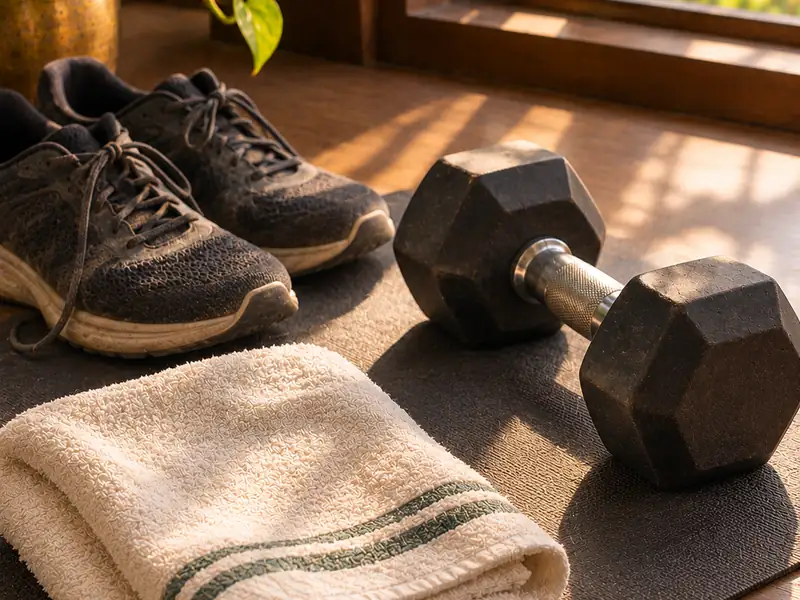
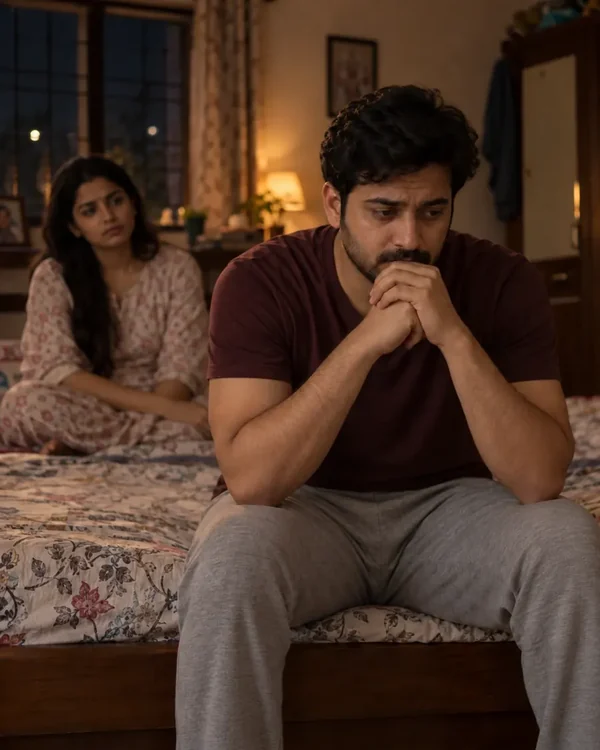
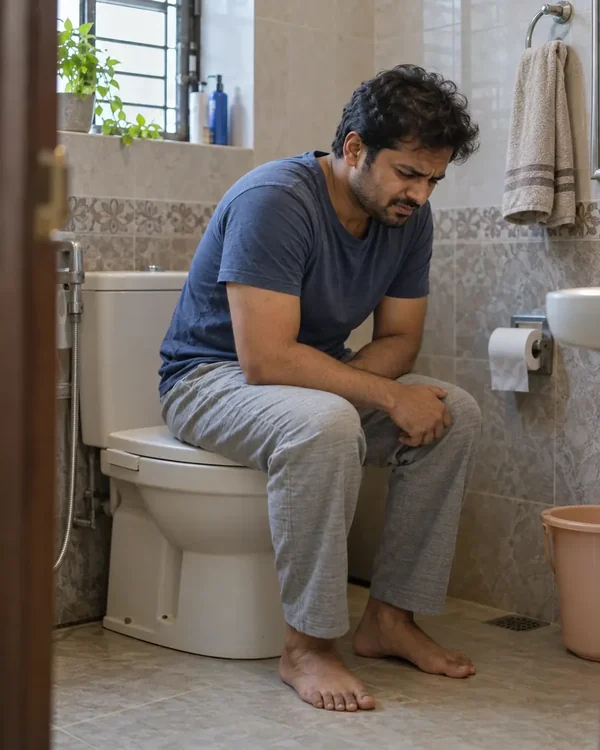
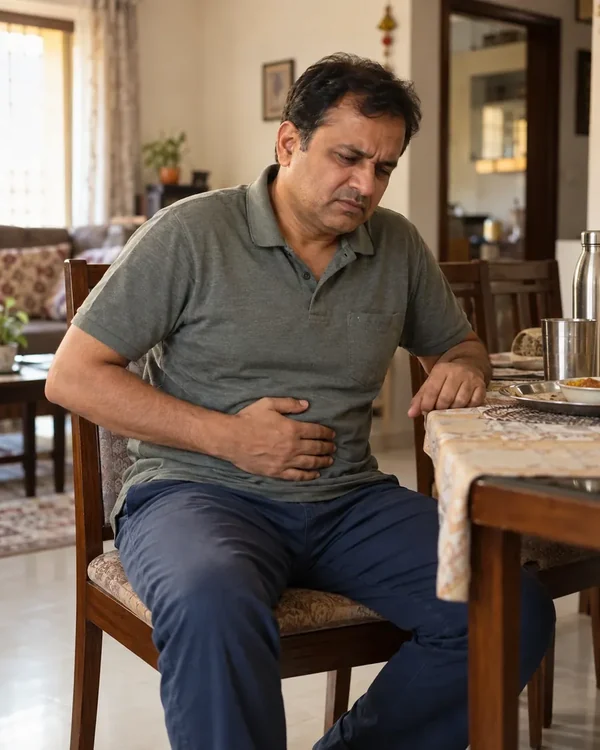
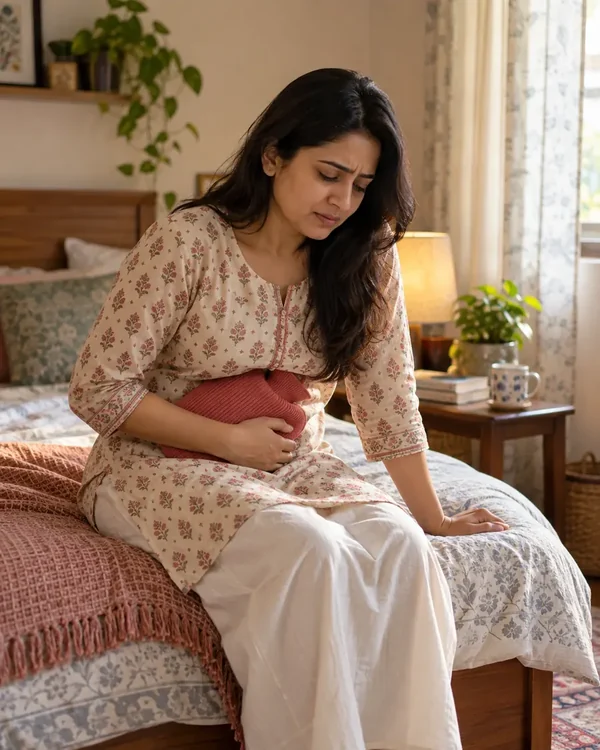
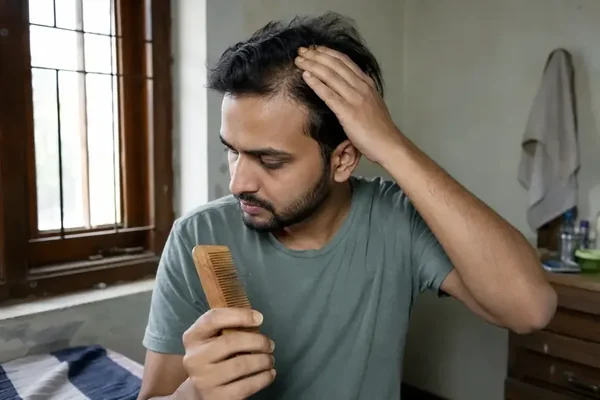
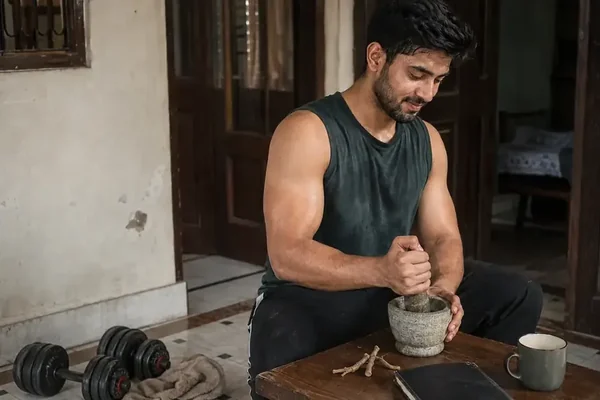
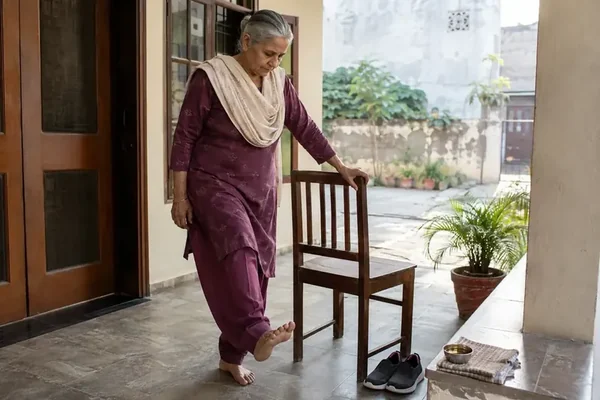
Does this sound like you?
Short answer: Strength is built by working your muscles against resistance at least twice a week, eating enough food with protein, and sleeping well. It shows over weeks, and muscle size over months. Muscles recover between sessions, mostly during sleep, so rest days count too. Weakness that is new, one-sided or getting worse is different: it needs a doctor before more training.12
Urgent signs: sudden weakness or numbness on one side or with slurred speech, or chest pain, breathlessness or faintness while exercising, need emergency care now; the full list is under “When it should not wait”.
- You go to the gym or play sport, but your strength isn't improving and your muscles stay sore for days.
- You feel weak or tired climbing stairs, lifting at work, or after a short walk.
- You are recovering from an illness, surgery or a long time in bed, and your body hasn't come back yet.
- You are thin and want to build muscle, or older and noticing you have lost strength.
- A friend at the gym has suggested a powder, a "mass gainer" or an injection.
Feeling stronger is a realistic goal at any age, and it usually comes from simple things done steadily.1
What it is, and what it isn't
Muscle builds when it is worked against resistance, given enough food (especially protein), and allowed to rest and sleep.12 Soreness a day or two after new or hard exercise is normal and eases within a few days.
| It is | It isn't |
|---|---|
| Built slowly, over weeks and months | Something a powder or injection does quickly and safely |
| Helped by strength exercise at least twice a week1 | Only for young men in a gym |
| Supported by enough food, protein and sleep | Improved by training through sharp pain |
Weakness that comes with other symptoms also needs a doctor before more training; see "When it should not wait". If you feel weak without training, see tiredness and weakness in the body; if you are thin and want to gain weight, see healthy weight gain.
When it should not wait
Urgent signs
Get emergency care now if:
- weakness or numbness comes on suddenly in the face, an arm or a leg, especially on one side, or with slurred speech;
- you have chest pain, breathlessness or faintness while exercising.3
Get urgent care the same day if: after hard exercise you have severe muscle pain and swelling with dark, tea- or cola-coloured urine, or you pass much less urine. This can be rhabdomyolysis, which can harm the kidneys.4
Arrange a prompt medical review if:
- weakness keeps getting worse over weeks, or muscles look thinner;
- you are losing weight without trying;
- you have trouble swallowing, rising from a chair or climbing stairs;
- you have used anabolic steroids or testosterone.
How Dr. Sharma assesses it
- What "weak" means for you. Tiredness, slow recovery, low strength in certain muscles, or weakness that is spreading; since when, and whether it is getting worse.
- Training and work. What you do, how often, how hard, and how much rest you take between sessions.
- Food and sleep. A typical day's meals, how much protein you eat, sleep hours and quality, and stress.
- Health and medicines. Recent illness, thyroid, diabetes, anaemia, vitamin D, and medicines such as statins or steroids, which can affect muscles.
- Supplements. Every powder, capsule or injection you use. Please bring the box or a photo, even for a product you are unsure about, so the ingredients can be read.
- Tests, only when useful. For example haemoglobin, thyroid, sugar or vitamin D, if your history points that way.
Dr. Sharma assesses why strength or recovery is poor. He looks at food, sleep, stress, training load and medicines, arranges tests or a referral when the history points that way, and advises routine and Ayurvedic treatment alongside. A training programme is for a trainer or physiotherapist. A suspected muscle tear or other injury is assessed and referred when needed.
What treatment can and can't promise
- Realistic expectations. Strength usually improves over weeks, and muscle size over months. There is no safe shortcut to gaining muscle fast.
- Resistance training. Adults are advised to do strength exercise for all the major muscle groups on at least two days a week, built up gradually; this is how muscle mass is gained.12 A trainer or physiotherapist can help you start safely.
- Protein and enough food. Spread protein across your meals, from dal, paneer, curd, eggs, milk, soy or meat, and eat enough in total for your activity. If you are skinny and want to gain muscle, you often need more food overall as well as strength training; healthy weight gain and the guide to how to gain weight explain how to eat more.
- Rest and sleep. Muscles repair between sessions, mostly during sleep.
- Ayurvedic support alongside. Routine, food and Ayurvedic treatment decided after assessment. This page names no product. Your personalised Dinacharya (daily-routine) guide follows the consultation.
- About steroids and gym injections. Anabolic steroids can harm the heart, liver and fertility.5
Your doctor
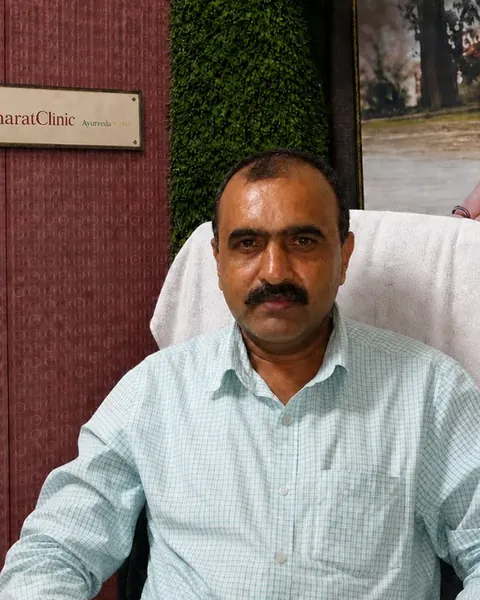
Your doctor
Dr. D.K. Sharma, the Ayurvedic doctor who sees you
Name, qualification and registration BAMS; practising since 1992 4067, Board of Ayurvedic and Unani Systems of Medicine, Punjab
Reviewed by Dr. D.K. Sharma. Approval recorded on 8 November 2026 for this exact text.
A consultation, ₹500
You explain your routine and what you have tried. Dr. Sharma can then discuss which checks make sense, the appropriate next step, and whether treatment at Bharat Clinic fits your needs. He looks at sleep, food and health as well as the programme, so strength that has slipped since an illness is worth bringing too.
The consultation is with Dr. D.K. Sharma (BAMS), in person in Ludhiana or by video. Your personalised Dinacharya (daily-routine) guide is prepared after the consultation.
Bring:
- any blood reports;
- a note of a typical day's food and training;
- the supplements you use (the box, or a photo of it).
To ask for a time, book a consultation, or read how a video consultation works.
The consultation
₹500In person in Ludhiana, or by video
Includes your personalised Dinacharya (daily-routine) guide, prepared after the consultation.
How booking works · no payment until step 3
- You send a request
- Suitability and a time are confirmed
- You pay ₹500
- Your slot is confirmed
- The consultation
Other costs
- Medicine, if advised
- Discussed after your consultation
- Care courses
- Discussed after your consultation
Questions before you book
How long does muscle recovery take, and when is soreness a warning sign?
Normal soreness after new or hard exercise peaks within a day or two and eases within a few days.
Full answer
Muscle recovery between sessions is helped by sleep, enough food and protein, and a day or two before working the same muscles hard again.
Severe pain with swelling and dark urine, chest pain while exercising, or sudden weakness on one side need urgent care. Sharp or one-sided pain, or pain that does not improve, is worth being examined rather than guessed at.34
How can I build muscle at home?
You can gain muscle at home without a gym. Exercises that use your own body weight, such as push-ups and sit-ups, or resistance bands, on at least two days a week, work the main muscle groups.1
Full answer
Make them slowly harder over the weeks, and eat and sleep well.
Can yoga build muscle?
Yes, it can build strength. Yoga counts as a muscle-strengthening activity in the UK's NHS physical activity guidelines.1
Full answer
For more muscle size, combine it with exercise that you make gradually harder.
How much protein do I need?
It depends on your weight, age and training. Most people do well with a protein food at each meal.
Full answer
Your plan is fitted to you after assessment.
Are protein powders safe?
A plain protein powder can be convenient, but food can do the same job.
Full answer
For recovery after training, what matters is enough protein across the day from meals, with sleep and rest; a protein shake or drink is one convenient way to add protein, not a required one. Some gym products contain hidden steroids or stimulants. Bring what you use to the consultation.
Can Ayurveda or an Ayurvedic medicine support muscle strength?
This page gives general information. It cannot choose a medicine for you.
Full answer
What is known in general. Strength comes from resistance exercise, enough food and protein, and sleep.1 Some Ayurvedic products have been found to contain lead, mercury or arsenic at toxic levels, and few well-designed trials show that Ayurvedic approaches work.6 Tell any doctor you see about everything you take.
At the clinic. After assessment, routine, food and Ayurvedic treatment may support recovery alongside training and sleep. It doesn't replace exercise, or treatment for a medical cause.
I'm over 60. Is it too late to build strength?
No. Strength exercise helps at any age and also protects balance and bones.2
Full answer
Start gently and build up. The medical term for age-related loss of muscle and strength is sarcopenia. Regular strength exercise and enough protein are the main measures; if your kidneys are not healthy, ask a doctor before raising protein.
Understand it better
Why recovery can be slow :
- Too little rest: training hard every day without recovery days.
- Too little food or protein, especially when trying to stay lean.
- Short or poor sleep, and high stress.
- A health reason, such as anaemia, thyroid problems, low vitamin D or a recent illness.