







Acidity, heartburn and reflux (GERD): burning, sour burps or food coming up

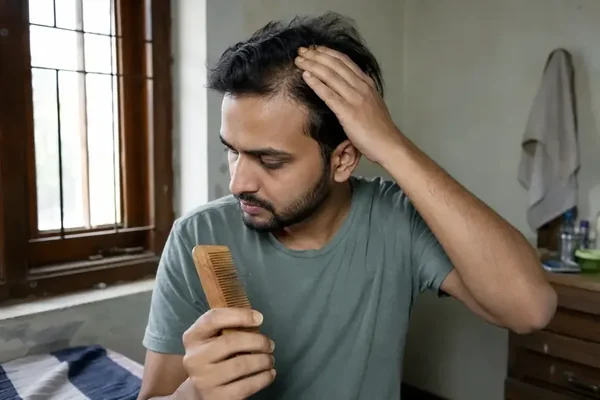
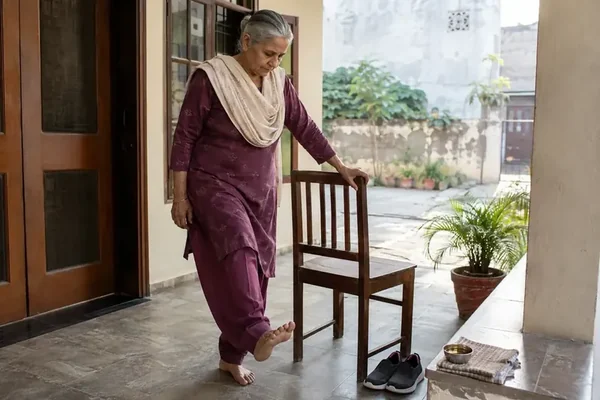
Does this sound like you?
Acidity is the everyday word for burning in the chest or upper stomach, sour burps and food coming back up. Frequent acidity is usually acid reflux, and it often settles with changes to meal size, meal timing and routine.1 This page explains what helps, which symptoms should never be put down to acidity, and when to be seen.
Urgent signs: new, severe or uncertain chest pain, especially with breathlessness, sweating or pain spreading to the arm or jaw, is an emergency and never "just acidity". Vomiting blood or black stool also need care today. The full list is under “When it should not wait”.1
- A burning feeling behind the breastbone or in the upper stomach ("seene mein jalan").
- Sour or bitter burps, or a sour taste in the mouth ("khatti dakar").
- Food or liquid coming back up, especially after a large meal, when you bend or when you lie down.
- It is worse at night, or wakes you.
- You reach for an antacid most days.
These are the usual symptoms of acidity or hyperacidity (acidity ke lakshan). If it keeps returning, disturbs sleep or needs medicine most days, get it looked at.1
Learn moreAmlapitta: what Ayurveda means by it, and how it compares with acidity and refluxAmlapitta (अम्लपित्त) is Ayurveda's name for sour, burning acidity.
What it is, and what it isn't
"Acidity" or "hyperacidity" is an everyday word, not a diagnosis. Acid reflux is stomach contents moving up into the food pipe (oesophagus); heartburn is the burning it can cause. When reflux is frequent or troublesome, or causes damage, doctors call it gastro-oesophageal reflux disease, GERD.12 In Hindi, people usually say khatti dakar or seene mein jalan, and also "tezaab banna". Ayurveda's word for this pattern is amlapitta.
| It is | It isn't |
|---|---|
| Burning, sour taste or food coming up, often linked to meals and lying down | Always caused by spicy food |
| More likely with large or late meals, smoking, extra weight or pregnancy | Something an antacid has explained because it gave relief |
| Sometimes a sign of something that needs a test, such as an ulcer | A safe label for new or uncertain chest pain |
If the main problem is not burning, these pages fit better:
- fullness or swelling: gas and bloating
- heaviness after meals or early fullness: indigestion and low appetite
- gnawing upper-stomach pain, or an ulcer or H. pylori report: gastritis, ulcer and H. pylori
- fatty liver or raised liver enzymes on a report: fatty liver
People also say "gastric" for acidity, gas or indigestion. Gastritis, which means the lining of the stomach is inflamed, is a different problem: the table on the gastritis page sets gastritis, ulcer and acidity side by side.
In Hindi, Punjabi and Hinglish
Show the words and Hinglish questionsHide the words
| You may say or search | It means |
|---|---|
| acidity, hyperacidity | An everyday word for burning in the chest or upper stomach, sour burps and food coming back up. It is not a diagnosis.12 |
| khatti dakar (खट्टी डकार, ਖੱਟੇ ਡਕਾਰ) | Sour burps: acid or stomach contents coming back up towards the food pipe.1 |
| pet me jalan, seene mein jalan (सीने में जलन) | A burning feeling in the upper stomach or behind the breastbone. |
| acid reflux (एसिड रिफ्लक्स) | Stomach contents moving up into the food pipe (oesophagus).12 |
| acidity ke lakshan | The usual signs of acidity, listed in the first section. |
Common questions in Hinglish:
- Pet mein jalan kyun hoti hai, aur pet mein jalan ho to kya karein? Usually reflux or gastritis. Chest pressure is an emergency; black stools, vomiting, trouble swallowing or weight loss need a doctor soon. Full answer: “Pet mein jalan kyun hoti hai? Why does my stomach burn after eating?”
- Khatti dakar kyu aati hai, aur khatti dakar aaye to kya karein? Usually acid reflux. Sit upright and eat smaller, earlier meals. Burps most days, or with trouble swallowing, vomiting or weight loss, need checking.1 Full answer: “Khatti dakar kyu aati hai, and what should I do when it comes?”
- Acidity kya hoti hai, aur acidity ka matlab kya hota hai? "Acidity" is an everyday word, not a diagnosis: it means burning in the chest or upper stomach, sour burps and food coming back up.12 Full answer: “What it is, and what it isn't”
- Acidity ke lakshan kya hain? Burning behind the breastbone or in the upper stomach, sour burps, food coming back up, and symptoms worse at night. If it keeps returning, get it looked at.1 Full answer: “Does this sound like you?”
- Acidity ka ilaj aur gharelu upay kya hain? Smaller, earlier meals, less tea, coffee and alcohol. Evidence for jeera water or ajwain is limited. See a doctor if heartburn is daily or swallowing is hard.1 Full answer: “Acidity ka ilaj kya hai? Gharelu upay: what can I do at home?”
- Acidity mein kya khana chahiye? Keep meal times steady. Coffee, tomatoes, chocolate, alcohol, and fatty or spicy food are the usual reported triggers, but they affect people differently.1 Full answer: “Acidity mein kya khana chahiye?”
When it should not wait
Chest discomfort must never be dismissed as "just acidity".
Urgent signs
Get emergency care now if: you have new, severe or uncertain chest pain, especially with breathlessness, sweating, feeling faint, or pain spreading to the arm, jaw, neck or back. Don't use an antacid to test whether it is the heart.1
Get urgent in-person care if: you vomit blood or material like coffee grounds, pass black, tarry stool, or feel very weak or faint.1
Arrange a prompt review, often with a gastroenterologist, if:3
- food sticks or it hurts to swallow
- vomiting keeps returning
- you are losing weight without trying
- you feel unusually tired or breathless (possible anaemia)
- symptoms began recently and keep coming back
Needing an antacid most days for months is a reason to be seen, not a routine.
How Dr. Sharma assesses it
Most of it is a conversation about when the burning comes and what changes it.
- Where and when. Behind the breastbone or in the upper stomach; before food, just after eating, hours later or at night; and how long it lasts.
- What changes it. Meal size and timing, the gap between dinner and bed, bending or lying down, tea, coffee, alcohol, smoking, stress and fasting.
- What comes with it. Sour taste, food coming up, cough or a hoarse throat, nausea, bloating, and your bowel pattern and appetite.
- Medicines. Every antacid, acid tablet, painkiller and remedy you take, and how often. Bring the strip or packet you use. Some painkillers can irritate the stomach; don't stop a prescribed medicine on your own.
- Tests or a referral, only when useful. You may be advised a test for H. pylori, or an endoscopy if a warning sign calls for one, and the reason is explained first. By video, Dr. Sharma can take the history and give guidance; an examination needs a visit.
What treatment can and can't promise
- History before any medicine. There is no single powder or tablet for every kind of acidity; the plan follows the cause. Antacids and acid tablets relieve symptoms; the plan aims at what is causing them, with Ayurvedic medicines only where they fit after assessment.
- Routine first. Widely accepted acidity treatment starts with smaller meals, finishing the evening meal three to four hours before bed, raising the head of the bed, stopping smoking and losing weight if you are overweight.14
- After assessment. You get diet and routine guidance and, if it suits you, Ayurvedic treatment. Swallowing trouble, bleeding or a suspected ulcer is referred.
- Antacids reviewed. If you take them often, the consultation looks at why and what to do next.
- Honest outcomes. Some people improve with routine changes; others need a test or another doctor. How long it takes is decided after assessment.
Your doctor

Your doctor
Dr. D.K. Sharma, the Ayurvedic doctor who sees you
Name, qualification and registration BAMS; practising since 1992 4067, Board of Ayurvedic and Unani Systems of Medicine, Punjab
Reviewed by Dr. D.K. Sharma. Approval recorded on 8 November 2026 for this exact text.
Medical content approved by Dr. D.K. Sharma.
A consultation, ₹500
If you reach for an antacid most days, a consultation is the place to find out why. You explain what you eat, when the burning comes and what you take for it. Dr. Sharma can then discuss the next step and whether treatment at Bharat Clinic suits you. See how to book, or read how a video consultation works.
Dr. Sharma sees patients with acidity in person at Samrala Chowk or Focal Point, Gobindgarh, in Ludhiana, or by video if you cannot come to Ludhiana. A consultation usually takes 30–60 minutes, and your personalised Dinacharya (daily-routine) guide is prepared after it. Bring what you can: when the burning comes, what you take for it and how often, and any reports.
The consultation
₹500In person in Ludhiana, or by video
Includes your personalised Dinacharya (daily-routine) guide, prepared after the consultation.
How booking works · no payment until step 3
- You send a request
- Suitability and a time are confirmed
- You pay ₹500
- Your slot is confirmed
- The consultation
Other costs
- Medicine, if advised
- Discussed after your consultation
- Care courses
- Discussed after your consultation
Related reading
Questions before you book
Is acidity always caused by spicy food?
No. Meals can trigger it, but timing, lying down after eating, medicines, pregnancy, weight, smoking and other health conditions can matter too.
Full answer
Repeated symptoms deserve a proper history rather than one assumption.
Pet mein jalan kyun hoti hai? Why does my stomach burn after eating?
A burning sensation or hot feeling in the upper stomach, or behind the breastbone, after eating is most often acid reflux or gastritis.
Full answer
Common triggers are large or late meals, very spicy or oily food, plenty of tea or coffee, alcohol, smoking, and painkillers such as ibuprofen.
Burning with black stools, repeated vomiting, trouble swallowing or weight loss needs a doctor soon. Burning with chest pressure, sweating or pain spreading to the arm or jaw needs emergency care now. For what to eat and what to leave out when it burns, see the acidity food guide.
Khatti dakar kyu aati hai, and what should I do when it comes?
Khatti dakar (sour burps) usually mean that acid or stomach contents are coming back up towards the food pipe, which is acid reflux.1
Full answer
It is more likely after a large or late meal, when you bend, or when you lie down soon after eating. When it happens, sit upright, have smaller meals through the day, and leave three or four hours between your last meal and bed.1 Sour burps most days, or with trouble swallowing, vomiting or weight loss, need to be checked.1
Acidity mein kya khana chahiye?
The broad steps are steady meal times, smaller evening meals and not lying down soon after eating.1
Full answer
The foods and drinks most often reported as triggers are coffee, tomatoes, chocolate, alcohol, and fatty or spicy food. They affect people differently, so cut back on the ones you notice rather than banning everything.1 Common questions about dahi (curd), doodh (milk), chai (tea), coffee and kela (banana) are answered in the acidity food guide.
Acidity ka ilaj kya hai? Gharelu upay: what can I do at home?
At home, these steps help to reduce acidity and keep it under control:1
Full answer
- smaller meals, with your last meal three or four hours before bed
- less tea, coffee and alcohol, and no smoking
- the head of the bed raised if it wakes you at night
If it keeps returning, the cause is looked at, and treatment, including Ayurvedic treatment after assessment, is planned from it. The acidity food guide answers the dahi, doodh and chai questions.
If it is burning now: sit upright rather than lying down or bending soon after eating. This is for the moment and does not find the cause.1
Antacids: from a pharmacist they can give quick relief during a flare when taken with food or soon after eating. They do not treat the cause and should not be used regularly for long periods.1
Home remedies: Natural and home remedies for acidity, such as jeera water, ajwain or saunf, are widely shared. Good evidence that they treat reflux is limited. If one seems to help you and does no harm there is no need to stop it, but it does not replace finding the cause.
No remedy can promise to cure acidity permanently or that it will never return; the aim is fewer and milder episodes by working on the pattern. See a doctor if you have heartburn most days, or if trouble swallowing, repeated vomiting or weight loss appears.1
Can I keep taking antacids every day?
Frequent use is worth reviewing, especially when symptoms are severe, keep returning or are changing.
Full answer
Relief doesn't explain the cause. This page does not name or recommend an acidity tablet. The strip tells you what it contains, and a pharmacist can explain it. If you are pregnant, a pharmacist can advise you about the medicines you can take.1
I have both gas and acidity. Which tablet or page is right for me?
Acidity and gas often come together, but they are different feelings.
Full answer
Acidity is burning behind the breastbone or in the upper stomach, with sour burps or food coming back up. Gas and bloating are fullness, pressure, burping or wind, and are covered on the gas and bloating page. Large or late meals can bring on either, so smaller meals and an earlier dinner are a sensible start for both.1 A tablet that eases one may not help the other, and this page names none. A pharmacist can suggest a medicine for a short spell; if you need something most days, get the cause checked.1 Burning with chest pressure, black stools, vomiting or weight loss is covered under the warning signs above.
Is heartburn the same as GERD?
Not always. Occasional heartburn can happen without GERD. GERD means reflux that is frequent or troublesome, or that causes damage over time.2
Full answer
Besides heartburn and a sour taste, GERD symptoms can include a cough or hoarse voice from acid reflux, bad breath, bloating and feeling sick, usually worse after eating or lying down.1
Is there Ayurvedic treatment for acid reflux or GERD?
Ayurveda describes this pattern as amlapitta. Ayurvedic treatment for acidity, acid reflux or GERD is chosen after assessment: when and what you eat, routine and sleep, and any medicine you already take.
Full answer
No product is named here, because the right choice depends on what is causing the reflux.
Reflux that is frequent, wakes you at night, or comes with trouble swallowing, repeated vomiting, black stools or weight loss needs an examination first, and sometimes an endoscopy. Do not stop an acid medicine your doctor prescribed without asking.
How do I know chest burning isn't my heart?
You can't be sure from symptoms alone. Treat new, severe or uncertain chest pain as an emergency, especially with breathlessness, sweating or pain spreading to the arm, jaw, neck or back, and do not use an antacid to test it.
Full answer
The list is under "When it should not wait".1
Can I start by video?
Yes. You can have the consultation by video instead of coming to Ludhiana, and go through reports you already have.
Full answer
If an examination is needed, you'll be told and offered a visit.
Understand it better
Acidity kyu hoti hai? Common reasons for acidity. Often several things together23:
- Meals and timing: large meals, late dinners, long gaps then a heavy meal, lying down soon after eating.
- Habits and weight: smoking, alcohol, extra weight around the middle.
- Medicines: some painkillers and other medicines can irritate the stomach or relax the valve at its top.
- Other conditions: pregnancy, a hiatus hernia, H. pylori infection or an ulcer, which need their own tests.
Foods. Tea, coffee, citrus, fried or spicy food, dahi or milk affect people differently; which ones matter for you is worked out from your pattern. The acidity food guide goes through the common questions.