
Two views
Dhat: what dhātu means in Ayurveda, and how modern medicine understands the worry about semen loss
Dhat (धात) comes from dhātu, Ayurveda's word for body tissue. How the classical idea and Dhat syndrome compare.

Bhojpatra · Health libraryBharatClinic · Ludhiana
Short reads on familiar concerns, the old names for them and the herbs in the classical texts. Most take a minute or two, and each one keeps its sources.
Search runs on this page. Nothing you type is stored or sent.
Eight care areas
Try a shorter word, an English or Hindi name (for example gas, kabz, neend), or choose a treatment area below.
Begin with the names
One opening read for each care area: the words people use, the Sanskrit term and the modern one, side by side.
Two views
Dhat (धात) comes from dhātu, Ayurveda's word for body tissue. How the classical idea and Dhat syndrome compare.
Two views
Arsha (अर्श) is Ayurveda's name for piles, called bawasir in Hindi. How the classical idea and modern haemorrhoids compare.
Two views
Ādhmāna (आध्मान) and ānāha (आनाह) are Ayurveda's words for a swollen, gassy stomach. How the classical idea and modern bloating compare.
Two views
Kashtartava (कष्टार्तव) is Ayurveda's name for painful periods; asrigdara (असृग्दर) for heavy bleeding. How they compare with modern medicine.
Two views
Brimhana (बृंहण) is Ayurveda's name for nourishing therapy; kārśya (कार्श्य) for excess thinness. How the ideas compare with modern advice.
Two views
Darunaka (दारुणक) is Ayurveda's name for a dry, itchy, flaking scalp. How the classical idea and modern dandruff care compare.
Two views
Asthi kṣaya (अस्थिक्षय) is Ayurveda's word for depleted bone tissue. See how it compares with osteoporosis and bone density, and what it cannot show.
Two views
Anidra (अनिद्रा) is Ayurveda's name for persistent sleeplessness. How the classical idea compares with modern insomnia care.
Browse the leaves
In each care area: the concern, its names, the herbs, look-alike symptoms, a diagram, and what the old texts and new studies say.
Two views
Shighrapatan (शीघ्रपतन) is the Hindi medical word for premature ejaculation. How Ayurveda and modern medicine each read it.
Two views
Bhagandar (भगंदर) is an anal fistula, a small tunnel from the back passage to the skin. How Ayurveda and modern medicine see it.
Two views
Agni (अग्नि) is Ayurveda's image for digestion; agnimāndya means it runs low. How the idea compares with indigestion and poor appetite.
Two views
Rajonivritti (रजोनिवृत्ति) is Ayurveda's name for the natural end of periods. How the classical idea and modern menopause care compare.
Two views
Ojas (ओजस्) is Ayurveda's idea of sustaining vigour and resilience. What it means, what it is not, and how it compares with modern fatigue.
Two views
Khalitya (खालित्य) is Ayurveda's name for hair loss. How the classical idea and modern medicine's view of hair fall compare.
Two views
Avabāhuka (अवबाहुक) is Ayurveda's word for a painful, stiff shoulder. See how it compares with frozen shoulder, and what it cannot show.
Two views
Chittodvega (चित्तोद्वेग) is Ayurveda's name for an agitated, restless mind. How the classical idea compares with modern anxiety care.
Longer reads
Full guides with a short answer first and the signs that should not wait.
About this library
The same problem often has two names. A grandmother says amlapitta; a doctor says acid reflux. A vaid speaks of gṛdhrasī; the scan report says sciatica. This library puts the two side by side, so you can find the term you have heard and see what it means.
Each entry takes one Ayurvedic term and explains, in plain words:
The library helps you understand a term; it cannot tell you what you have. A name, in either language, is only a starting point, and the practical answers live on the condition pages.
Urgent signs: heavy bleeding, chest pain, fainting, sudden weakness on one side or thoughts of harming yourself need care today, not reading. Each entry names its own early-warning signs at the top and links to the condition page with the full list.
Every entry follows the same seven parts: the names in Sanskrit, Hindi, Punjabi and English; the Ayurvedic description; the modern description; a table of agreements and differences; the evidence; what it means for you; and the sources.
Modern descriptions are drawn from public health sources such as the NHS, the World Health Organization and national medical bodies. Classical references are checked by Dr. D.K. Sharma (BAMS) before an entry is approved. Each entry is approved for its exact version, and any change sends it back for review. How this works is set out in how our health content is written and reviewed.
Find the term below, or start from the area of your concern. Every entry links to the condition page that explains the problem, the warning signs that should not wait, and what a consultation looks at. If an entry sounds like what you are going through, its condition page explains what to do now and when to be seen.
If you know the everyday word
| You may say | Entry |
|---|---|
| Acidity, khatti dakar | Amlapitta |
| Kabz | Vibandha |
| Bawasir | Arsha |
| Shighrapatan, jaldi discharge | Shighrapatan |
| Safed pani, likoria | Shweta pradara |
| Baal jhadna | Khalitya |
| Ghutno ka dard | Sandhivāta |
| Kamar dard | Katishool |
| Neend na aana | Anidrā |
Digestion
Piles and anorectal problems
Men's health
Women's health
Skin and hair
Joints, back and bones
Stress, sleep and energy
You can also browse the plain-language health guides for everyday questions.
If you would like help working out what your symptoms mean and whether Ayurvedic care suits your concern, a consultation with Dr. D.K. Sharma (BAMS) costs ₹500, in person in Ludhiana or by video, and is followed by a personalised Dinacharya (daily-routine) guide.
Eight areas of treatment · इलाज
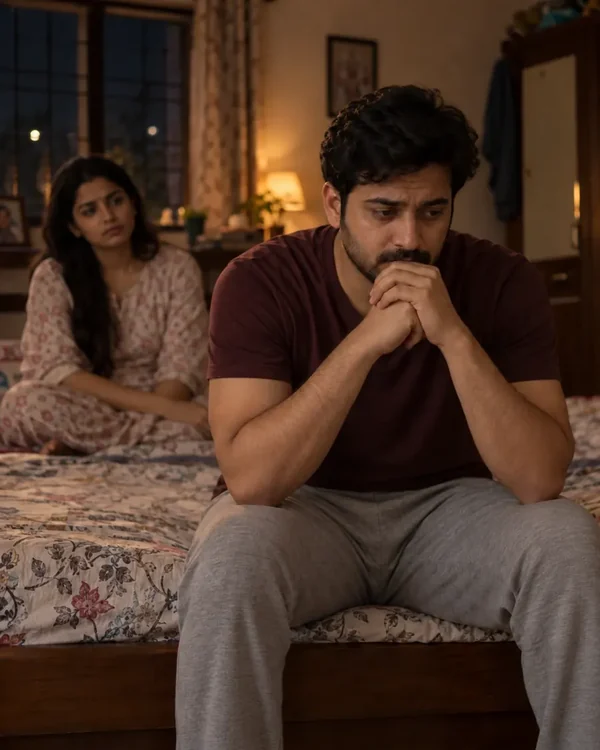 01Men’s sexual healthपुरुष स्वास्थ्य
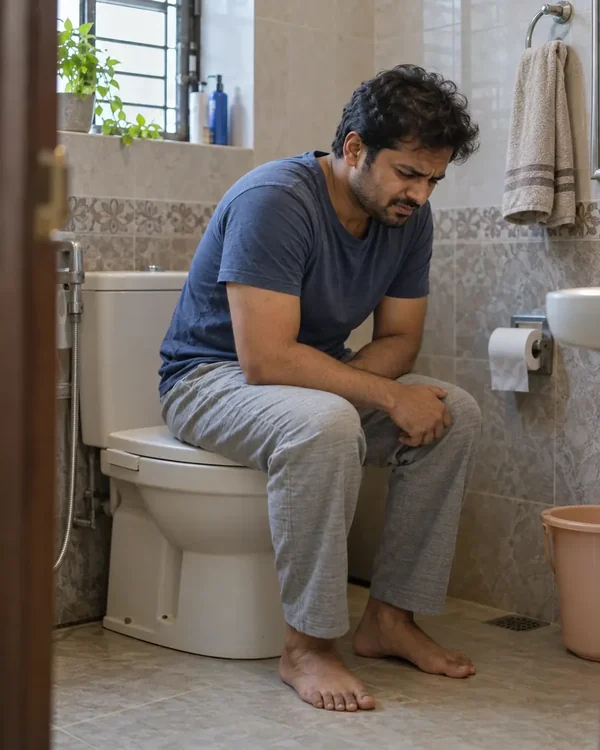 02Piles & fissureबवासीर · फिशर
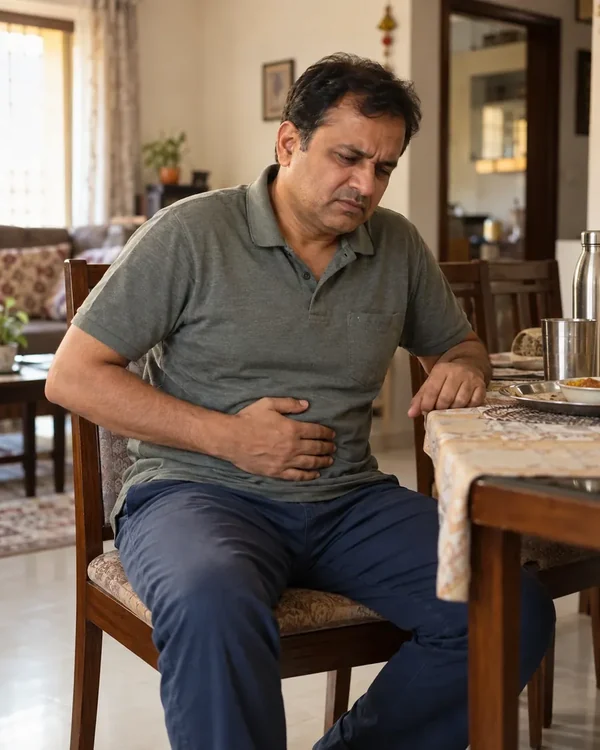 03Digestionपाचन · अग्नि
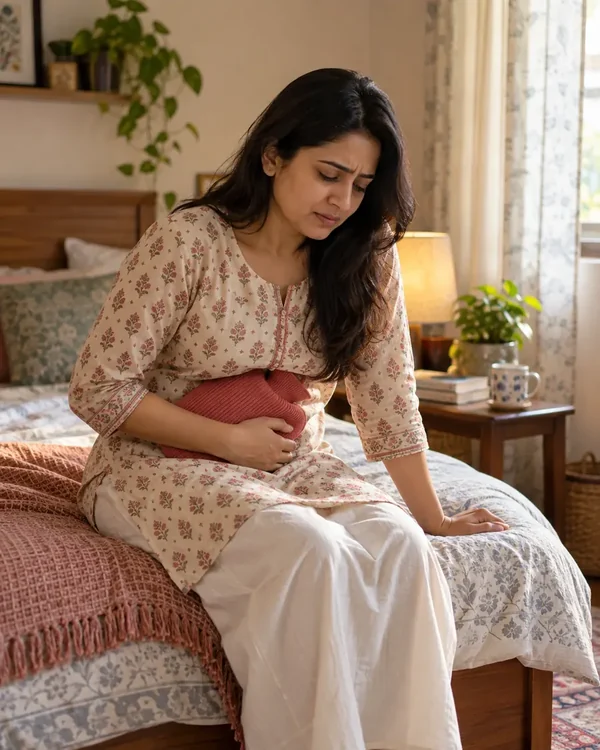 04Women’s health · PCOSमहिला स्वास्थ्य
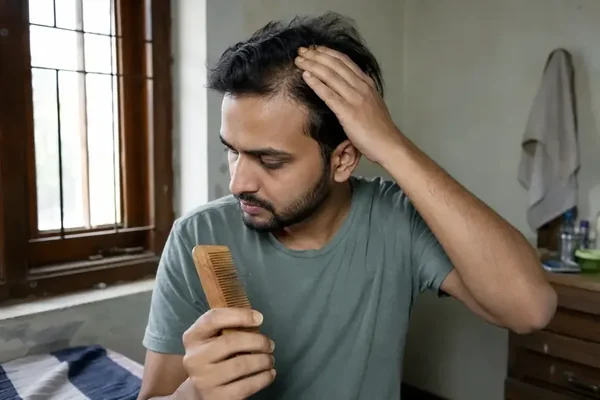 05Skin & hairत्वचा और बाल
 06Sehat · energy & strengthसेहत · ताकत
 07Sleep & stressनींद · तनाव
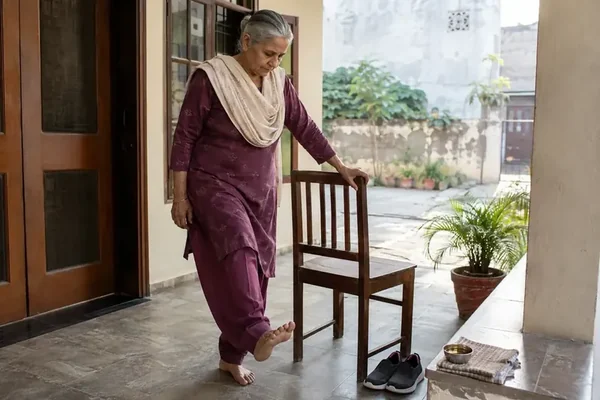 08Bones & jointsहड्डियाँ · जोड़
Common concerns
Photographs are generated scenes, not patients.