
The names
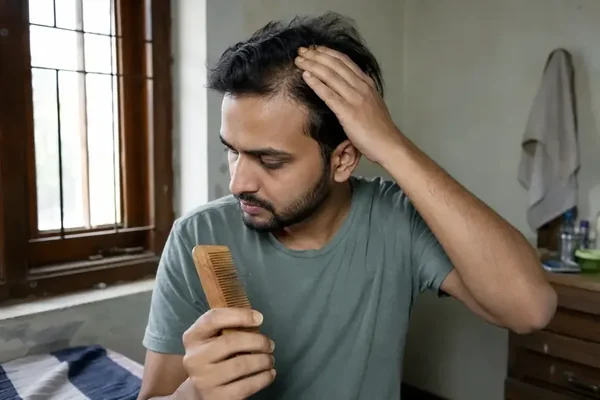
Brimhana meaning in Ayurveda. Bṛṃhaṇa means nourishing, building therapy, the classical approach to kārśya, being too thin: dubla patla, or a weight that won't go up.
Urgent signs: Vomiting blood, black or bloody stool, chest pain or fainting needs urgent care. Weight falling without trying, fever, night sweats or a cough lasting weeks needs a prompt review.3 The full list is under "When it should not wait" on healthy weight gain and being underweight (dubla patla).
| Language | Name |
|---|---|
| Sanskrit | Bṛṃhaṇa (बृंहण): nourishing, building therapy; kārśya (कार्श्य): excess thinness |
| Hindi | Dubla patla, vazan na badhna |
| Punjabi | Patla ya lissa sareer, bhaar na vadhna (ਪਤਲਾ ਜਾਂ ਲਿੱਸਾ ਸਰੀਰ, ਭਾਰ ਨਾ ਵਧਣਾ) |
| English | Being underweight; nourishing care; healthy weight gain |
How Ayurveda describes it
Bṛṃhaṇa is a therapy name, not a condition. Ayurveda describes two basic directions of care: laṅghana, lightening, and bṛṃhaṇa, nourishing or building.1 Bṛṃhaṇa is described for people who are very thin (kārśya), recovering from illness or long fasting, or depleted by overwork.1
The classical texts link kārśya with too little or irregular food, weak digestion (agni), overwork, poor sleep, worry and long illness.1 Bṛṃhaṇa care, in the Ayurvedic view, means enough nourishing food the person can actually digest, rest, sound sleep, less worry and, where a doctor advises, medicines.1 It depends on digestion first: food that is not digested is not described as nourishing.
Bṛṃhaṇa is a direction of care decided after assessment, not a promise of a number on the scale.
How modern medicine describes it
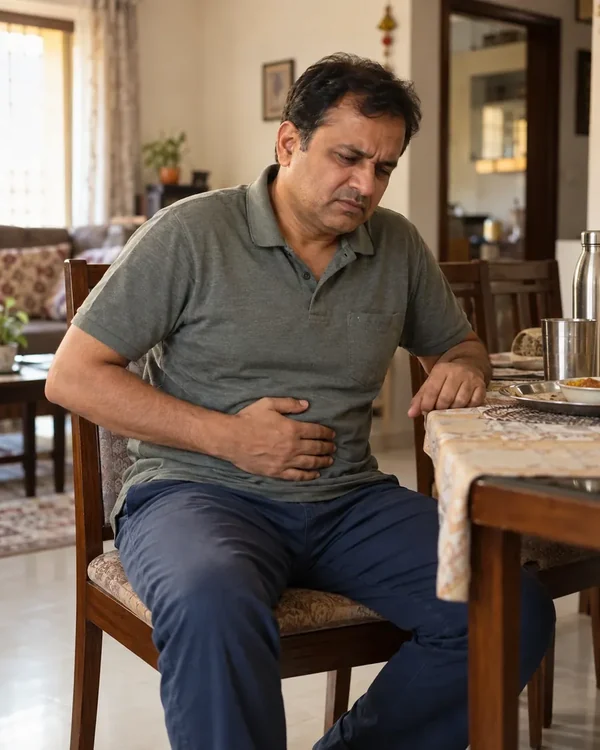
Modern medicine describes adults with a body mass index (BMI) under 18.5 as underweight.2 Some people are lean by build and healthy; others are underweight because of too little food, high activity, stress, or a medical cause.2
A fall in weight without trying is a symptom. Thyroid problems, diabetes, infections including tuberculosis, digestive conditions, depression and some medicines can cause it, so it is checked with an examination and blood tests before any weight-gain plan.3 Anabolic steroids and unregulated gym products carry real risks.4
Where they agree, and where they differ
| Ayurveda (bṛṃhaṇa, kārśya) | Modern medicine (underweight) | |
|---|---|---|
| What the word names | Bṛṃhaṇa is a therapy; kārśya is the thin state | Underweight is a BMI range, not a diagnosis |
| Digestion and appetite | Central: food must be digested to nourish | Appetite and digestive problems are checked |
| Rest and stress | Sleep, rest and less worry are part of the therapy | Stress and routine affect eating |
| A falling weight | Long illness named as a cause | Unexplained weight loss needs tests first3 |
| Muscle | Māṃsa, muscle tissue, builds over time | Strength exercise with enough food builds muscle2 |
| Approach | Nourishing food, rest, routine; medicines after assessment | Balanced, energy-rich meals, activity, treating any cause |
Both views agree that healthy gain is slow, that digestion and appetite come first, and that shortcuts carry risks.
What the evidence does and doesn't show
- Shown: balanced, energy-rich meals and snacks, with strength exercise, help many underweight adults gain in a healthy way.2
- Shown: anabolic steroids can cause serious harm.4
- Not shown: that a gainer, tonic or syrup adds healthy tissue on its own.
- Limited: clinical trials of Ayurvedic treatments have mostly been few, small or not well designed, so firm conclusions about bṛṃhaṇa care cannot be drawn. 5
- Not a substitute: an Ayurvedic label doesn't replace tests when weight is falling without trying, or comes with fever, night sweats, a lasting cough, difficulty swallowing or a fear of eating.3
What this means for you
If you stay thin or your weight is falling, write down a normal day of food, your appetite, digestion, sleep, workload and medicines; a falling weight is checked for a medical cause before any plan. Bring any gainer, powder or syrup you already take.
Read next
- healthy weight gain and being underweight (dubla patla): what is checked and what helps
- ojas, sustaining vigour: if your concern is tiredness rather than weight
- energy, weight and Sehat
A consultation with Dr. D.K. Sharma (BAMS) is ₹500, in person in Ludhiana or by video. Dr. Sharma asks whether you have always been thin, about a normal day of food, your appetite and digestion, which helps decide whether a medical check for falling weight should come first, or whether food, digestion and routine are the place to start. A personalised Dinacharya (daily-routine) guide follows.
Sources
- Caraka Saṃhitā, Sūtrasthāna, chapters on kārśya and on laṅghana and bṛṃhaṇa (classical sources).
- NHS. Underweight adults. nhs.uk.
- NHS. Unintentional weight loss. nhs.uk.
- NHS. Anabolic steroid misuse. nhs.uk.
- NCCIH (US National Institutes of Health). Ayurvedic Medicine: In Depth. Last updated January 2019. nccih.nih.gov.
Medical content approved by Dr. D.K. Sharma.
Reviewed by Dr. D.K. Sharma. Approval recorded on 8 November 2026 for this exact text.