
The names
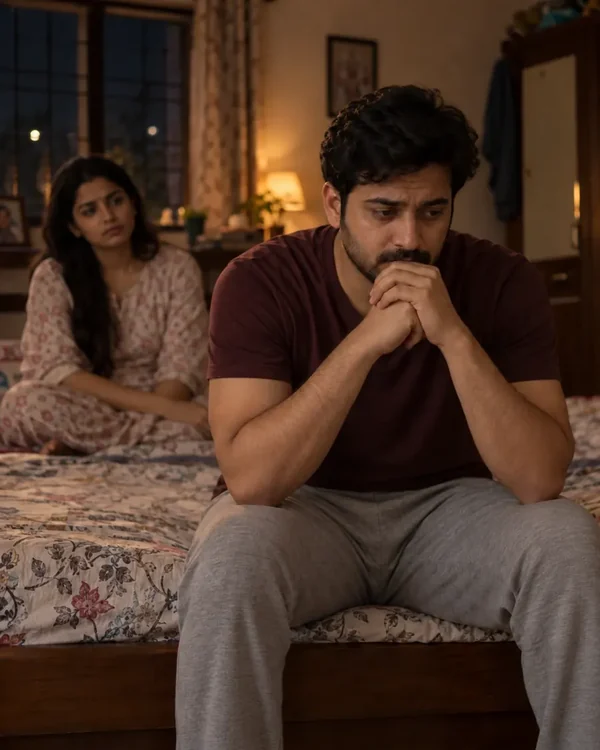
Anidra meaning in Ayurveda. Anidrā simply means without sleep. It is the classical word for insomnia, or neend na aana.
Urgent signs: If you have thoughts of harming yourself, call 112 or Tele-MANAS on 14416 now. If you have fallen asleep while driving, stop driving until you are assessed.67 The full list is under "When it should not wait" on insomnia and poor sleep.
| Language | Name |
|---|---|
| Sanskrit | Anidrā (अनिद्रा): a-, without, and nidrā, sleep |
| Hindi | Neend na aana, neend ki kami, raat bhar karvat badalna |
| Punjabi | Neend na auni, raat nu neend na pauni (ਨੀਂਦ ਨਾ ਆਉਣੀ, ਰਾਤ ਨੂੰ ਨੀਂਦ ਨਾ ਪੈਣੀ) |
| English | Insomnia: trouble falling asleep, staying asleep or waking too early, with tiredness in the day |
How Ayurveda describes it
In Ayurveda, sleep is one of the three supports of life, with food and a balanced, disciplined life.1 The classical texts describe anidrā as loss of sleep when vāta and pitta rise, and link it with worry, grief, fear, anger, overwork, irregular routine, old age and illness.1
They describe measures that favour sleep: a regular routine, oil massage and bathing, suitable food, and a calm, comfortable place to sleep.1 In the Ayurvedic view, care starts with finding and easing the cause; medicines are considered only after assessment.
How modern medicine describes it
Modern medicine describes insomnia as regular trouble falling asleep, staying asleep or waking too early, so that you feel tired and find it hard to function in the day.2 It is called long-term, or chronic, when it happens at least three nights a week for three months or more.5
Common causes are stress and worry, noise, light or heat, shift work, caffeine, alcohol, pain and some medicines; it is also linked with anxiety and depression.2 Diagnosis is from the sleep pattern, often with a sleep diary, and a check for other sleep problems such as sleep apnoea.25
Where they agree, and where they differ
| Ayurveda (anidrā) | Modern medicine (insomnia) | |
|---|---|---|
| The core experience | Loss of sleep, a restless night | Trouble falling or staying asleep, tired days |
| Worry and grief | Named as causes | Stress, worry, anxiety and low mood are common causes2 |
| Routine | Central: regular routine and daily habits | Important: regular sleep and waking times2 |
| The mechanism | Raised vāta and pitta | Hyperarousal, habits and conditioning, health and medicines |
| Tests | Not part of the classical description | A sleep diary; a sleep study if apnoea is suspected |
| Treatment | Routine, massage, bathing, food, a calm setting; medicines after assessment | CBT for insomnia first; short-term medicines for some |
Both views agree that sleep is a pillar of health, that the mind and the day's routine shape the night, and that the cause matters more than the label.
What the evidence does and doesn't show
- Shown: cognitive behavioural therapy for insomnia (CBT-I) helps most adults with long-term insomnia and is recommended as the first treatment.35
- Not shown: that sleep-hygiene tips on their own are enough for long-term insomnia.3
- Limited: clinical trials of Ayurvedic treatments have mostly been few, small or not well designed, so firm conclusions about anidrā cannot be drawn. 8
- Not a substitute: an Ayurvedic label doesn't replace a check for sleep apnoea, low mood or a medicine side effect.45
What this means for you
If sleep keeps failing, keep rough notes for a week: when you go to bed and wake, tea, coffee and alcohol, and how you feel the next day. Bring those notes to any visit; they help show what is keeping you awake, whether routine, worry, mood, health or a medicine. Ayurvedic care, if you choose it, sits alongside, never instead of, the medical care you need. Don't stop a prescribed medicine on your own.
If you have thoughts of harming yourself, call 112 or Tele-MANAS on 14416 now.67 If you have fallen asleep while driving, stop driving until you are assessed.
Read next
- insomnia and poor sleep: the habits and treatments with the best evidence
- chittodvega, an agitated mind: if worry is what keeps you awake
- stress and sleep
A consultation with Dr. D.K. Sharma (BAMS) is ₹500, in person in Ludhiana or by video. The conversation is private and covers your whole 24 hours: the night, the day, tea and coffee, and your mood. A personalised Dinacharya (daily-routine) guide follows.
Sources
- Caraka Saṃhitā, Sūtrasthāna, chapters on the three supports of life and on sleep (classical source).
- NHS. Insomnia. nhs.uk.
- Edinger JD, et al. Behavioral and psychological treatments for chronic insomnia disorder in adults: an American Academy of Sleep Medicine clinical practice guideline. J Clin Sleep Med. 2021.
- NHS. Sleep apnoea. nhs.uk.
- NICE Clinical Knowledge Summaries. Insomnia. cks.nice.org.uk.
- Government of India. Emergency Response Support System, 112. 112.gov.in.
- Ministry of Health and Family Welfare, Government of India. Tele-MANAS, 14416. telemanas.mohfw.gov.in.
- NCCIH (US National Institutes of Health). Ayurvedic Medicine: In Depth. Last updated January 2019. nccih.nih.gov.
Medical content approved by Dr. D.K. Sharma.
Reviewed by Dr. D.K. Sharma. Approval recorded on 8 November 2026 for this exact text.