
The names
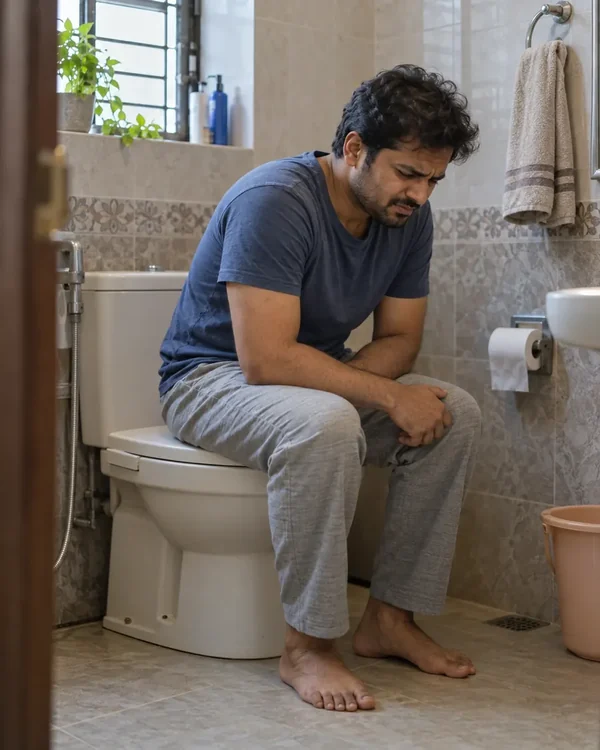
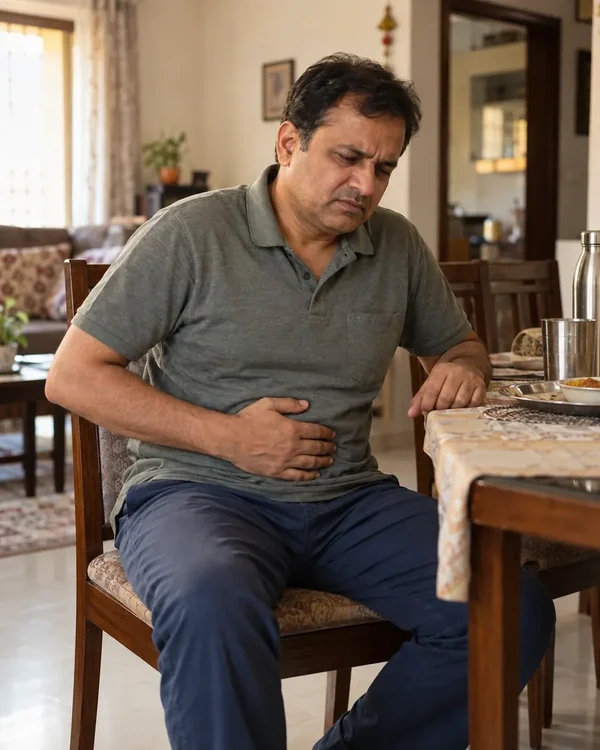
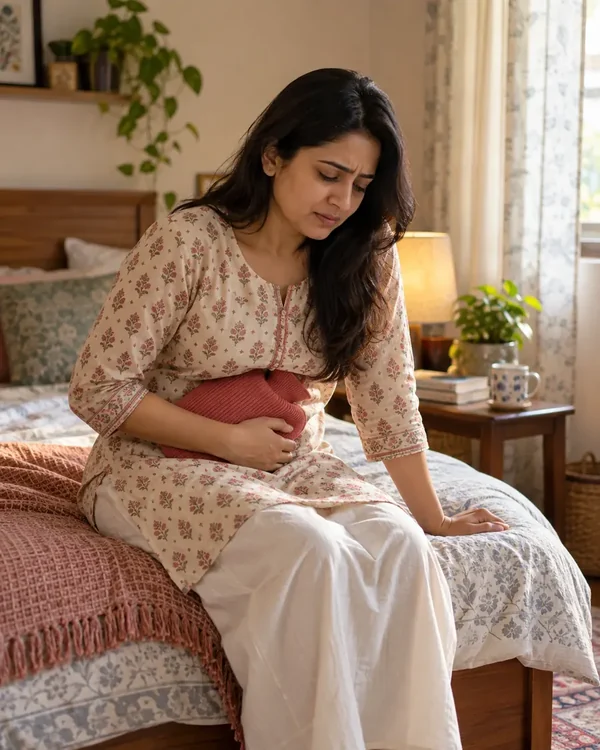
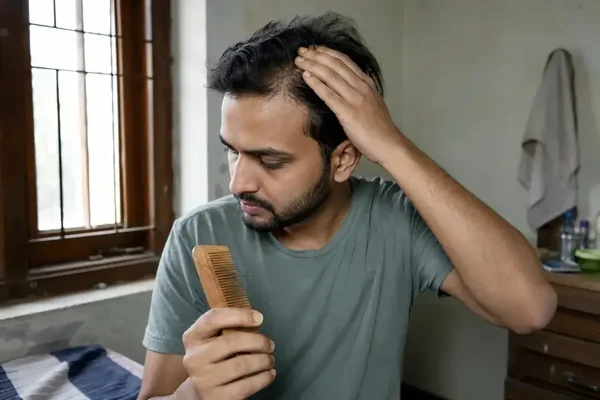
Chittodvega meaning in Ayurveda. Chittodvega means agitation or unease of the mind. It is the classical word closest to anxiety, ghabrahat or bechaini.
Urgent signs: If you have thoughts of harming yourself, call 112 or Tele-MANAS on 14416 now. Chest pain or fainting with panic needs emergency care.78 The full list is under "When it should not wait" on stress and anxiety.
| Language | Name |
|---|---|
| Sanskrit | Chittodvega (चित्तोद्वेग): citta, the mind, and udvega, agitation or unease |
| Hindi | Ghabrahat, tanav, bechaini, chinta |
| Punjabi | Ghabraahat, fikar, tanaav (ਘਬਰਾਹਟ, ਫ਼ਿਕਰ, ਤਣਾਅ) |
| English | Anxiety; when it is persistent and hard to control, generalised anxiety disorder; sudden waves of fear, panic |
How Ayurveda describes it
In Ayurveda, chittodvega is a state of an agitated, uneasy mind, with worry, restlessness and poor sleep.1 The classical texts describe the mind's qualities, sattva, rajas and tamas, and link agitation with rajas and with disturbed vāta, the dosha linked with movement.1
They describe three kinds of care: spiritual and faith-based measures, reasoned treatment with diet, routine and medicines, and sattvāvajaya, steadying the mind by guiding it away from what harms it.2 Sattvāvajaya is sometimes compared with talking therapies, though the two are not the same.
How modern medicine describes it
Modern medicine describes anxiety as a feeling of unease, worry or fear that everyone has at times.3 When it is frequent, hard to control and affects daily life for months, it may be generalised anxiety disorder; sudden, intense attacks of fear with physical symptoms are panic attacks.35
Diagnosis is from a conversation about the symptoms and their effect on life, with a check for physical causes such as an overactive thyroid.3 Anxiety disorders are among the most common mental-health conditions worldwide.6
Where they agree, and where they differ
| Ayurveda (chittodvega) | Modern medicine (anxiety) | |
|---|---|---|
| The core experience | An agitated, uneasy, restless mind | Worry, fear, tension, physical symptoms |
| Mind and body | Linked through rajas and vāta | Linked through the body's stress response3 |
| Routine and sleep | Central: diet, routine and sleep | Important: sleep, activity, caffeine, alcohol3 |
| The mechanism | Rajas and disturbed vāta | Thoughts, learned fear, the stress response, life pressures |
| Tests | Not part of the classical description | A clinical assessment; tests to rule out physical causes |
| Treatment | Faith-based care, diet, routine, sattvāvajaya; medicines after assessment | Self-help, talking therapies such as CBT, medicines for some |
Both views agree that mind and body affect each other, that routine and sleep matter, and that steadying the mind is a skill that can be practised.
What the evidence does and doesn't show
- Shown: guided self-help and talking therapies such as cognitive behavioural therapy (CBT) help many people with anxiety; medicines help some.4
- Not shown: that anxiety is a weakness of character, or that it should be borne alone.4
- Limited: clinical trials of Ayurvedic treatments have mostly been few, small or not well designed, so firm conclusions about chittodvega cannot be drawn. 9
- Not a substitute: an Ayurvedic label doesn't replace a psychologist's or psychiatrist's care for panic disorder, severe anxiety or low mood.4
What this means for you
If worry keeps returning, start by noting when it comes, how you sleep, how much tea, coffee or alcohol you have, and any medicines. Bring those notes to any visit; they help show whether you also need a psychologist or psychiatrist. Ayurvedic care, if you choose it, sits alongside, never instead of, the mental-health care you need.
If you have thoughts of harming yourself, call 112 or Tele-MANAS on 14416 now.78 Chest pain or fainting with panic needs emergency care.
Read next
- stress and anxiety: what is checked and when to see a specialist
- anidra, persistent sleeplessness: if sleep is the main problem
- stress and sleep
A consultation with Dr. D.K. Sharma (BAMS) is ₹500, in person in Ludhiana or by video. The conversation is private and covers what changed, how the worry shows, your sleep and routine, and your mood. A personalised Dinacharya (daily-routine) guide follows.
Sources
- Caraka Saṃhitā, Vimānasthāna and Śārīrasthāna, passages on the mind and its qualities (classical sources).
- Caraka Saṃhitā, Sūtrasthāna, chapter on the three pillars of life and the three kinds of treatment (classical source).
- NHS. Generalised anxiety disorder in adults. nhs.uk.
- NICE. Generalised anxiety disorder and panic disorder in adults: management (CG113).
- NHS. Panic disorder. nhs.uk.
- World Health Organization. Anxiety disorders (fact sheet). who.int.
- Government of India. Emergency Response Support System, 112. 112.gov.in.
- Ministry of Health and Family Welfare, Government of India. Tele-MANAS, 14416. telemanas.mohfw.gov.in.
- NCCIH (US National Institutes of Health). Ayurvedic Medicine: In Depth. Last updated January 2019. nccih.nih.gov.
Medical content approved by Dr. D.K. Sharma.
Reviewed by Dr. D.K. Sharma.