
The names
Ojas meaning in Ayurveda. Ojas means vigour: the essence of well-nourished tissues, which everyday speech calls sharir mein jaan. It has no exact equivalent in modern medicine.
Urgent signs: Sudden weakness or numbness on one side, chest pain, fainting or severe breathlessness needs emergency care. Tiredness with weight loss, fever or night sweats needs a prompt review.2 The full list is under "When it should not wait" on weakness in the body and tiredness.
| Language | Name |
|---|---|
| Sanskrit | Ojas (ओजस्): vigour, the essence of well-nourished tissues |
| Hindi | Oj; in everyday speech, sharir mein jaan, thakaan na jaana |
| Punjabi | Sareer vich jaan, thakaavat na lahini (ਸਰੀਰ ਵਿੱਚ ਜਾਨ, ਥਕਾਵਟ ਨਾ ਲਹਿਣੀ) |
| English | Vigour, stamina, resilience; its lack is felt as tiredness and slow recovery (fatigue) |
How Ayurveda describes it
In Ayurveda, ojas is a traditional idea of sustaining vigour and resilience: the essence that forms when food is well digested and the body's tissues (dhātus) are well nourished.1 It is described as the capacity to sustain effort, recover and resist illness, not as strength in a single moment.1
The classical texts describe ojas as reduced by long illness, poor digestion (agni), too little food, overwork, grief, worry and lack of sleep, with tiredness, anxiety and low resistance.1 The classical family of ideas around rasāyana, rejuvenation, points the same way: support digestion, food, rest and routine, with the doctor deciding what else is suitable after assessment.
Ojas is not a powder, a hormone level or a quick source of power. No test measures it.
How modern medicine describes it
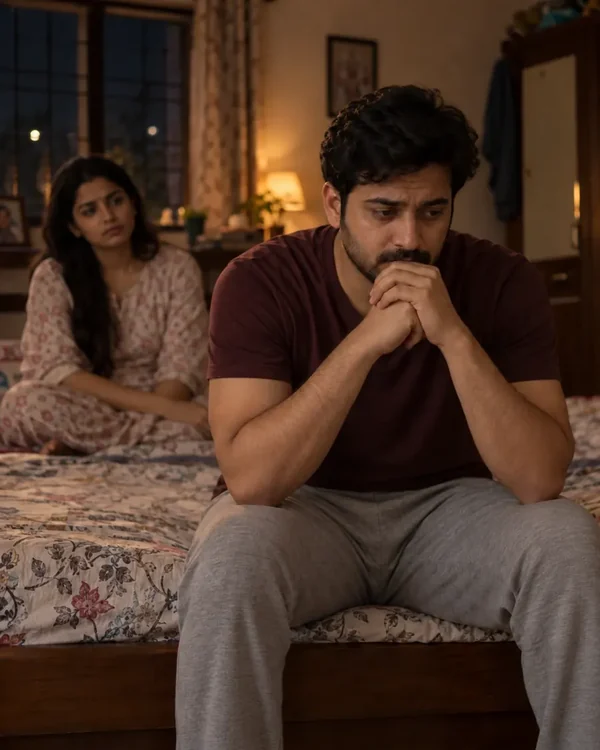
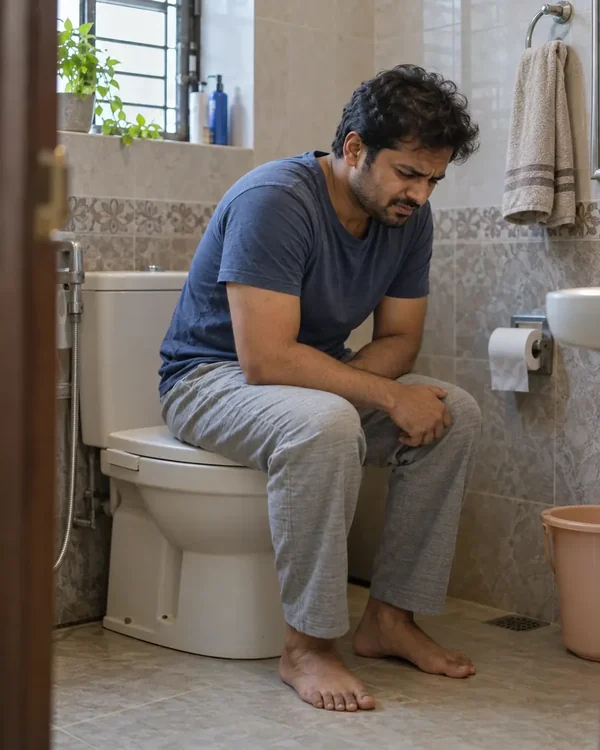
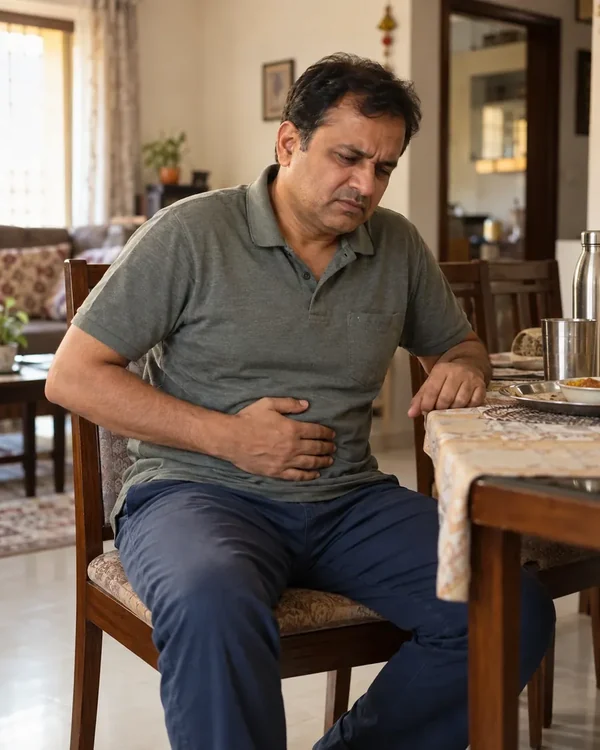
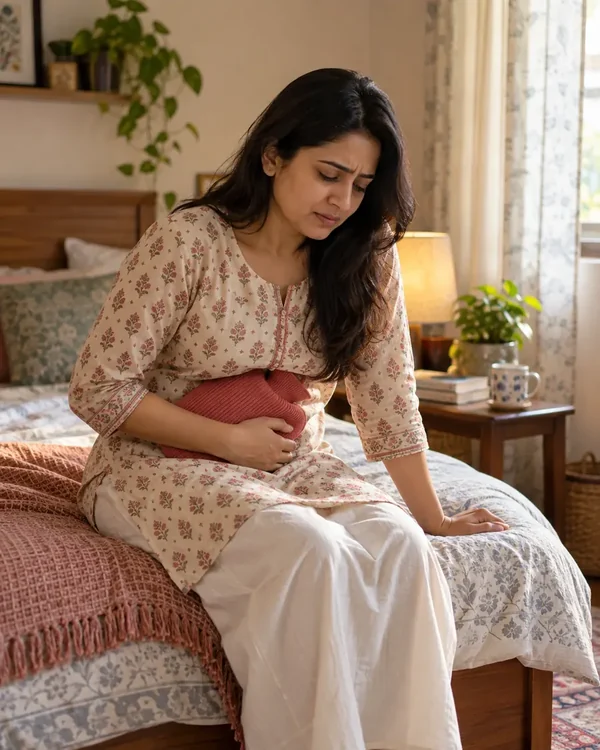
Modern medicine has no single equivalent of ojas. The nearest experience it studies is fatigue: feeling tired all the time, or recovering slowly after effort or illness.2 Common causes include poor or broken sleep, stress and low mood, irregular meals, anaemia, an underactive thyroid, diabetes, recovery after an infection, and some medicines.23
Tiredness that lasts is assessed with a history, an examination and, often, blood tests. Fatigue that lasts months and is made much worse by small efforts has its own assessment (ME/CFS).4
Where they agree, and where they differ
| Ayurveda (ojas) | Modern medicine (energy, fatigue) | |
|---|---|---|
| What it describes | The capacity to sustain effort and recover | Energy levels, fatigue and recovery |
| Food and digestion | Central: ojas follows good digestion and nourishment | Diet, iron and B12 matter; deficiencies are tested for |
| Sleep, stress, workload | Named as reducing ojas | Common causes of tiredness2 |
| Measurement | Read by the doctor from the whole picture | Symptoms, examination and blood tests |
| Hidden causes | Not part of the classical description | Anaemia, thyroid problems, diabetes and others are ruled out3 |
| Approach | Support digestion, food, rest and routine; more after assessment | Treat any cause found; sleep, activity and routine |
Both views agree that lasting energy is built slowly from digestion, food, sleep and rest.
What the evidence does and doesn't show
- Shown: blood tests find a treatable cause, such as anaemia or an underactive thyroid, in some people who are tired all the time.23
- Shown: regular sleep, regular meals and gradual activity help many people's energy.2
- Not shown: that any tonic or powder raises ojas.
- Limited: clinical trials of Ayurvedic treatments have mostly been few, small or not well designed, so firm conclusions about rasāyana care for fatigue cannot be drawn. 5
- Not a substitute: an Ayurvedic label doesn't replace tests when tiredness comes with weight loss, fever, night sweats, breathlessness or a sudden loss of strength on one side.2
What this means for you
If tiredness has stayed for weeks, note when it is worst, how you sleep and eat, your workload and mood, and every medicine you take; a doctor can then judge whether blood tests are needed first.
Read next
- weakness in the body and tiredness: the usual tests and what helps
- brimhana, nourishing therapy: if your concern is a thin build rather than tiredness
- energy, weight and Sehat
A consultation with Dr. D.K. Sharma (BAMS) is ₹500, in person in Ludhiana or by video. Dr. Sharma asks what changed and when, about your sleep and food, and every medicine you take, which helps decide whether blood tests should come first and which parts of food, sleep and routine to work on. A personalised Dinacharya (daily-routine) guide follows.
Sources
- Caraka Saṃhitā, Sūtrasthāna, and Suśruta Saṃhitā, Sūtrasthāna, passages on ojas (classical sources).
- NHS. Tiredness and fatigue. nhs.uk.
- NHS. Iron deficiency anaemia; Underactive thyroid (hypothyroidism). nhs.uk.
- NICE. Myalgic encephalomyelitis (or encephalopathy)/chronic fatigue syndrome: diagnosis and management (NG206).
- NCCIH (US National Institutes of Health). Ayurvedic Medicine: In Depth. Last updated January 2019. nccih.nih.gov.
Medical content approved by Dr. D.K. Sharma.
Reviewed by Dr. D.K. Sharma. Approval recorded on 8 November 2026 for this exact text.