
The names
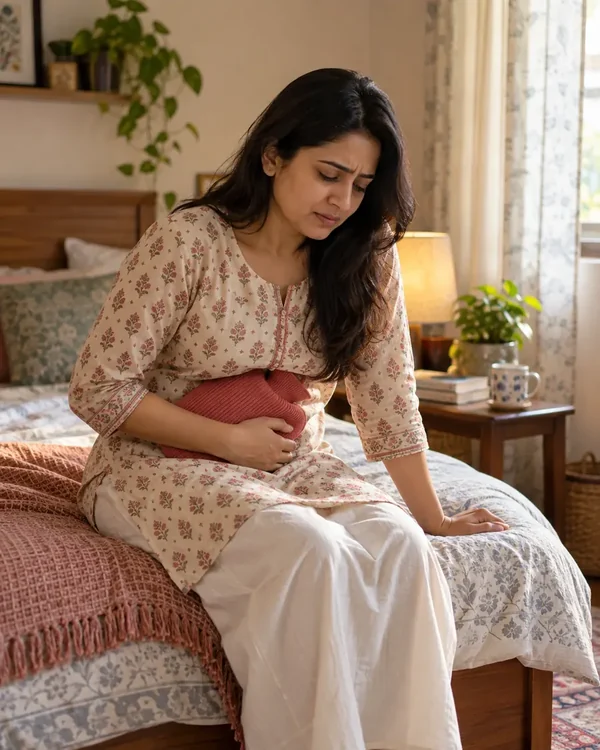
Grahani meaning in Ayurveda. Grahaṇī is the part of the gut that holds food while it digests, and also its disorder; atisāra means frequent, loose stools. Modern conditions often compared with it include IBS and other long-running bowel problems.
Urgent signs: Loose motions with being unable to keep fluids down, passing very little urine, dizziness, blood or black stool, or severe stomach pain need urgent care. Loose motions that last more than a week, wake you at night or come with weight loss need a review.24 The full list is under "When it should not wait" on Loose motions and IBS (dast).
| Language | Name |
|---|---|
| Sanskrit | Grahaṇī (ग्रहणी): the part of the gut that holds food while it digests, and its disorder; atisāra (अतिसार): frequent, loose stools |
| Hindi | Dast, pet kharab rehna, baar-baar latrine jana |
| Punjabi | Dast, tattiyan lagniyan, pet kharab rehna (ਦਸਤ, ਟੱਟੀਆਂ ਲੱਗਣੀਆਂ, ਪੇਟ ਖ਼ਰਾਬ ਰਹਿਣਾ) |
| English | Diarrhoea (loose motions); when long-running with pain and a changing bowel habit, irritable bowel syndrome (IBS) |
How Ayurveda describes it
In Ayurveda, grahaṇī is both a part of the gut, described as the seat of digestive agni, and the disorder that follows when it is weakened: stools that alternate between loose and hard, poorly digested food, gas, discomfort and tiredness.1 Atisāra is the more sudden passing of frequent, watery stools; the classical texts describe how a weakened agni after atisāra can settle into the longer grahaṇī pattern.1
Both are linked with weak or irregular agni, unsuitable or irregular meals, and stress and worry.1 Treatment in the Ayurvedic view starts with avoiding the causes, then restoring agni with diet, routine and, where a doctor advises, medicines.
How modern medicine describes it
Modern medicine separates sudden diarrhoea, usually from an infection or something eaten, from a long-running pattern.23 IBS is a common, long-term condition with stomach pain or discomfort, bloating and a change in bowel habit: diarrhoea, constipation or both.45
IBS is diagnosed from the symptom pattern after other causes have been considered. Warning signs need tests first: blood in the stool, unexplained weight loss, symptoms that wake you at night, new symptoms at around 50 or older, or a family history of bowel cancer or coeliac disease.4
Where they agree, and where they differ
| Ayurveda (grahaṇī, atisāra) | Modern medicine (IBS, diarrhoea) | |
|---|---|---|
| The core experience | An unsettled bowel, alternating stools, poorly digested food | Pain, bloating and a changing bowel habit |
| Sudden or recurring | Atisāra is sudden; grahaṇī is the recurring pattern | Sudden diarrhoea is separated from IBS |
| Stress | Named as a contributor | Stress can make symptoms worse4 |
| The mechanism | A weakened grahaṇī and agni | Gut-brain signalling, gut sensitivity, bowel movement changes |
| Tests | Not part of the classical description | Blood and stool tests to rule out other causes; more for warning signs |
| Treatment | Avoid causes, restore agni; medicines after assessment | Diet and lifestyle, stress care, medicines for symptoms |
Both views agree that a recurring bowel pattern is more than one bad meal, that stress and routine matter, and that food advice should fit the person.
What the evidence does and doesn't show
- Shown: regular meals, enough fluid, adjusting fibre, physical activity and managing stress ease IBS for many people.4
- Not shown: that one food list suits everyone; cutting out many foods at once can lead to poor nutrition.4
- Limited: clinical trials of Ayurvedic treatments have mostly been few, small or not well designed, so firm conclusions about grahaṇī cannot be drawn. 6
- Not a substitute: an Ayurvedic label doesn't replace tests when there are warning signs, or care for dehydration after sudden loose motions.24
What this means for you
If loose motions keep returning, note how often they come, what seems to set them off, any pain, and your meals, sleep, stress and medicines, and check the warning signs above; some of them mean tests come first.
Read next
- Loose motions and IBS (dast): IBS symptoms, what helps and when to be seen
- agni, the idea that grahaṇī is read through
- all digestion concerns
A consultation with Dr. D.K. Sharma (BAMS) is ₹500, in person in Ludhiana or by video. Dr. Sharma asks how your bowel behaves, what sets it off and what you take, which helps decide whether this looks like a long-running pattern or whether tests should come first. A personalised Dinacharya (daily-routine) guide follows.
Sources
- Caraka Saṃhitā, Cikitsāsthāna, chapter on grahaṇī, and Mādhava Nidāna, chapters on atisāra and grahaṇī (classical sources).
- NHS. Diarrhoea and vomiting. nhs.uk.
- World Health Organization. Diarrhoeal disease (fact sheet).
- NICE. Irritable bowel syndrome in adults: diagnosis and management (CG61).
- Rome Foundation. Rome IV criteria for functional gastrointestinal disorders.
- NCCIH (US National Institutes of Health). Ayurvedic Medicine: In Depth. Last updated January 2019. nccih.nih.gov.
Medical content approved by Dr. D.K. Sharma.
Reviewed by Dr. D.K. Sharma. Approval recorded on 8 November 2026 for this exact text.