






Pigmentation and dark spots on the face (jhaiyan): what causes them, and when to get a spot checked

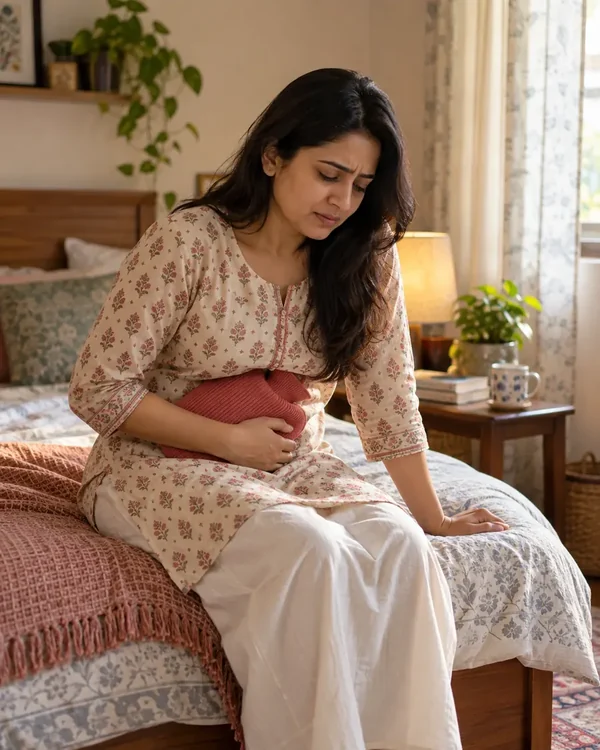
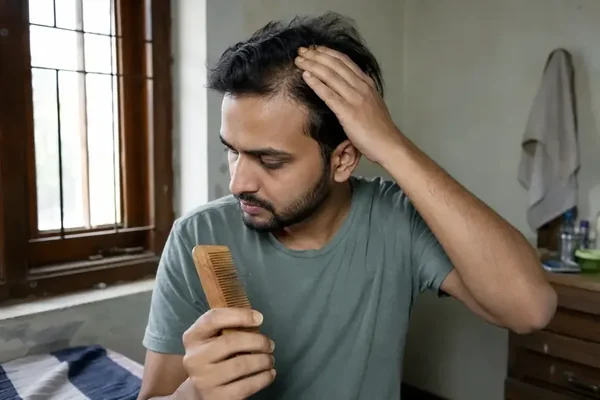
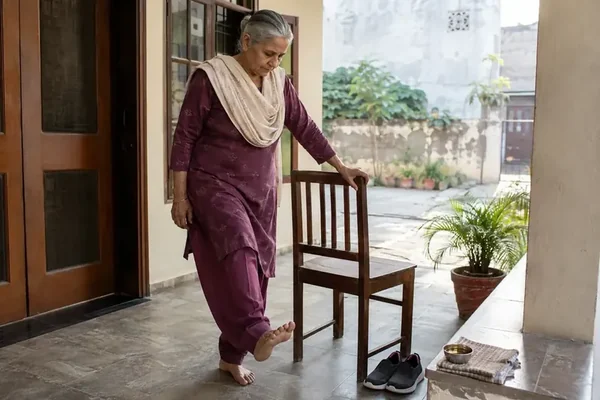
Does this sound like you?
Short answer: Pigmentation on the face means patches darker than the skin around them, because the skin has made more of its natural colour, melanin.1 Common kinds are melasma, marks after pimples and sun spots. Daily sun protection and gentle care help, but no cream can promise to remove it permanently.
Urgent signs: a mole or dark spot that is new, changing, bleeding or not healing needs a prompt check by a doctor.2 The full list is under “When it should not wait”.
Uneven colour is common and usually harmless, but on the face it can be upsetting. It may be a patch on the cheeks that darkens every summer, a mark that stays after a pimple, or a neck that looks darker than your face.
- Brown or greyish patches on the cheeks, forehead or upper lip (jhaiyan), often worse after time in the sun.
- Dark marks left where pimples, a rash, a burn or a cut have healed.
- Small brown spots on the face or hands that have built up over years.
- Darker, velvety skin at the back of the neck, the armpits or other folds.
- Creams from the chemist helped for a while, then the patch came back, or the skin turned red and thin.
It is worth having it assessed if it bothers you, keeps spreading, or a spot is changing.
Learn moreVyanga: what Ayurveda means by it, and how it compares with melasma and pigmentationVyanga (व्यंग) is Ayurveda's name for dark patches on the face.
What it is, and what it isn't
In Hindi and Punjabi, people often say jhaiyan for the brown patches of melasma and daag for almost any dark mark or spot.1
| It is | It isn't |
|---|---|
| Uneven colour, with a cause worth finding | A problem with your natural skin tone |
| Often made worse by sun and heat | Something to scrub, bleach or peel away |
| Sometimes linked to hormones, medicines or sugar levels | Always "just the skin" when it appears in folds |
The aim of care is evenness and settling the cause, not changing the colour you were born with. If the patches are lighter than your skin rather than darker, see white patches and skin allergy.
When it should not wait
Most pigmentation is not dangerous. A few spots need checking.
Urgent signs
Arrange a prompt medical review, by a doctor or dermatologist, if a mole or dark spot:
- is new in adult life;
- is growing, changing shape or colour, or has an uneven edge or several colours;
- bleeds, itches, crusts or doesn't heal;
- or there is a new dark streak under a nail.2
Also get a prompt check if:
- dark, velvety skin appears quickly in the neck or folds, especially with weight gain, thirst or tiredness;3
- skin all over darkens along with tiredness, weight loss or dizziness.
How Dr. Sharma assesses it
Most of it is a conversation, followed by a look at the skin.
- The pattern. When it appeared. Where it is. One patch or many, flat or raised. Whether it darkens in summer or after time outdoors. Whether it followed pimples, a rash or an injury.
- What you use. Every cream, face wash, scrub, sunscreen, cosmetic and home remedy, including ones bought from a chemist or online. Bring them, especially any tube without a label.
- Health that matters. Family pattern. Pregnancy, hormonal contraception or other hormone changes. For women, signs of PCOS. Sugar levels, weight and thyroid. Diet, sleep and stress. Every medicine you take.
- Sun and work. How much time you spend outdoors, at a stove or near heat, and what you do to protect your skin.
- A look at the skin. In person, where possible, especially for a mole. By video, you do not need to send a photograph beforehand; the doctor may ask you to show the area on camera during the call. You can decline, and a visit is offered instead.
- Tests or a referral, only when useful, for example a sugar or thyroid check, or a dermatologist for a spot that needs a closer look.
What treatment can and can't promise
- The kind of pigmentation first. Pigmentation treatment depends on the kind of patch. Melasma, marks after acne and darker skin in folds have different causes and need different care.
- Honest outcomes. Marks after pimples or a rash often fade slowly over months once the cause has settled. Melasma can often be made less noticeable, but it tends to return with sun, heat or hormones, so it is managed over time. 1
- Sun protection is part of every plan. Shade, a hat and a broad-spectrum sunscreen are widely advised.4
- Everyday care. Gentle skin care and what to stop using are in your personalised Dinacharya (daily-routine) guide, which follows the consultation. Ayurvedic treatment is added when the assessment supports it. No product is named here.
- How long it takes. Decided after assessment; pigmentation changes slowly.
- Referral when it is needed. Any spot that might be more than pigmentation goes to a dermatologist first.
Your doctor
Your doctor
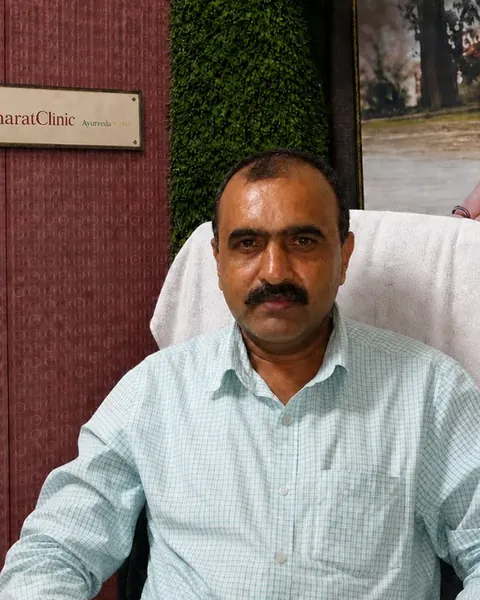
Dr. D.K. Sharma, the Ayurvedic doctor who sees you
Name, qualification and registration BAMS; practising since 1992 4067, Board of Ayurvedic and Unani Systems of Medicine, Punjab
Reviewed by Dr. D.K. Sharma. Approval recorded on 8 November 2026 for this exact text.
Medical content approved by Dr. D.K. Sharma.
The consultation, ₹500
A patch that fades with a chemist cream and returns usually has a cause the cream does not reach, such as sun, hormones or a product on the skin. In the consultation, Dr. Sharma asks where and when the patch appeared and what you put on it, then discusses the next step and whether treatment at Bharat Clinic suits you. You can book a consultation in person in Ludhiana, or arrange one by video.
Bring what you can:
- the date the patch appeared, and what makes it darker;
- any recent blood reports;
- every cream and tablet you use.
The consultation
₹500In person in Ludhiana, or by video
Includes your personalised Dinacharya (daily-routine) guide, prepared after the consultation.
How booking works · no payment until step 3
- You send a request
- Suitability and a time are confirmed
- You pay ₹500
- Your slot is confirmed
- The consultation
Other costs
- Medicine, if advised
- Discussed after your consultation
- Care courses
- Discussed after your consultation
Related reading
Questions before you book
What is pigmentation, and what are the common kinds?
It is skin that has become darker than the skin around it. It can follow sun, pimples, a rash, hormones or some medicines.1
Full answer
Common kinds on the face are melasma (patches on the cheeks, forehead or upper lip), marks left after pimples or rashes, and sun spots.1
What can I do at home for pigmentation?
- Protect the skin from the sun every day, with shade, a hat and a broad-spectrum sunscreen.4
- Be gentle: stop harsh scrubs, bleaching and creams you don't know, and give the skin time, because pigmentation fades slowly.
- Have a spot that is new, changing or bleeding checked rather than treated at home.
Full answer
No cream or home remedy can promise to remove pigmentation from the face permanently. Some kinds, such as melasma, tend to return with sun or hormones, so sun protection is the foundation.1
How can I remove pigmentation on my lips or around my mouth?
There is no home method that can promise to remove it, so the likely cause comes first.
Full answer
Darkness above the upper lip is often melasma.1 Around the mouth, it can also be a mark left by waxing or a harsh product. The home care above applies there too: daily sun protection, and no scrubs, bleach or creams you don't know. Pigmentation on the lips themselves has its own causes and is worth showing to a doctor rather than treating with home mixtures. Bring any lip balm or lipstick you use, and have a dark spot on the lip that is new or changing checked promptly.
Are creams from the chemist safe for dark spots?
Not always. Some creams sold for dark spots or a "glow" contain strong steroids or other ingredients that can thin and redden the skin, or make pigmentation worse when stopped.
Full answer
Bring the tube, and don't stop a prescribed medicine on your own.
Is the dark skin on my neck just dirt?
Usually not. Dark, velvety skin at the neck or in folds (acanthosis nigricans) is often linked to weight or high insulin levels, so a sugar check can be worthwhile.3 Scrubbing will not remove it.
Understand it better
What can contribute. Often more than one thing13:
- Sun and heat: sunlight, and heat from cooking or work, can darken existing patches.
- Hormones: pregnancy, hormonal contraception and PCOS are linked with melasma.
- Inflammation: pimples, eczema, burns, waxing or harsh products can leave dark marks, more so in brown skin.
- Products and medicines: some creams, perfumes and prescribed medicines.
- Insulin and weight: linked with darker skin in the neck and folds.