




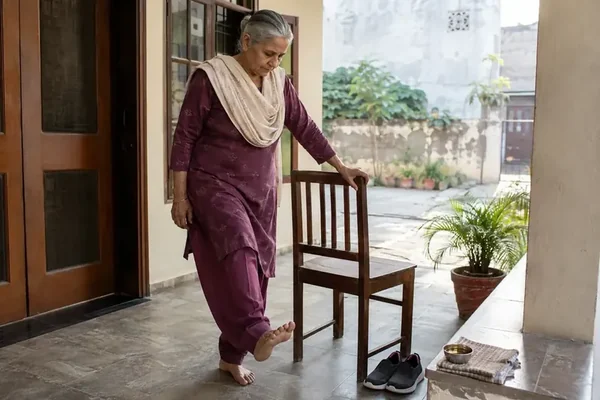
Trying to conceive: when to see a doctor and what a fertility assessment checks

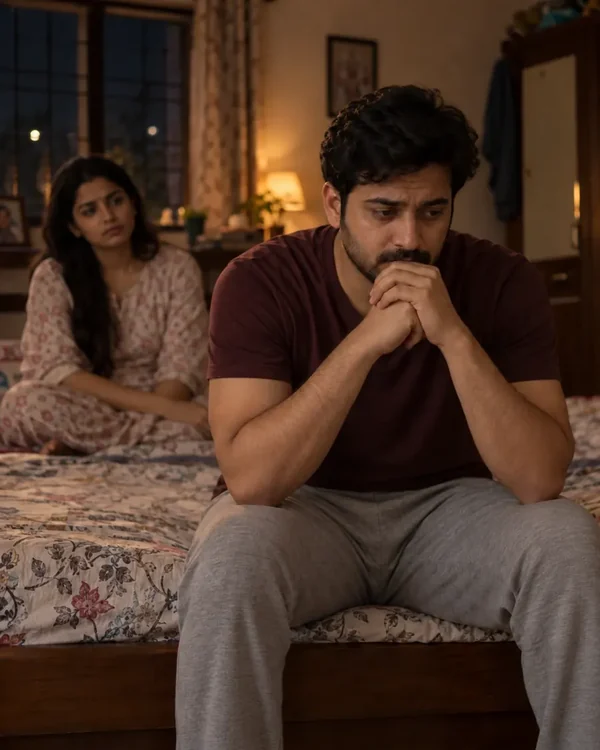
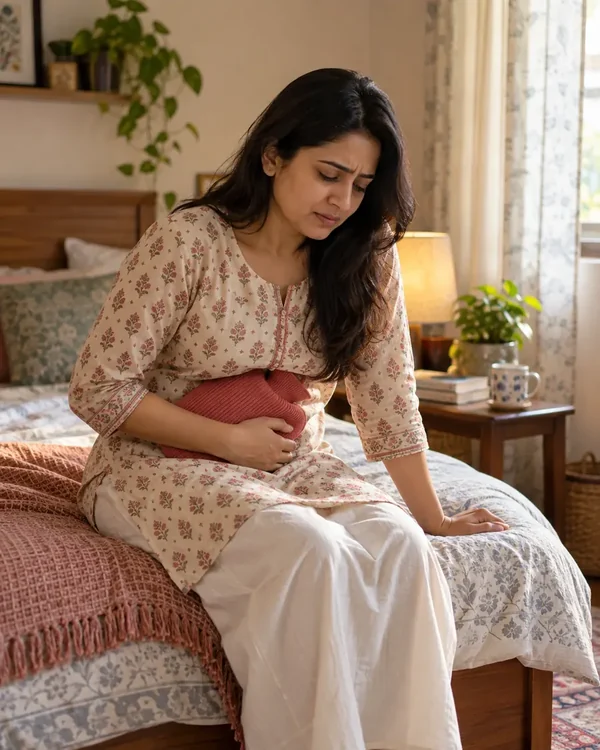
Does this sound like you?
See a doctor after 12 months of trying if the woman is 35 or younger, after 6 months if she is older than 35, and straight away if she is older than 40.13 Both partners are checked: ovulation, the tubes and the womb for the woman, and a semen test for the man.2
Urgent signs: a positive pregnancy test or a late period with severe one-sided pain, shoulder-tip pain, heavy bleeding or fainting needs emergency care now. The full list is under “When it should not wait”.4
- You and your partner have been trying for a baby for many months, and each period feels like a disappointment.
- Family members keep asking, and the pressure is mostly falling on you.
- Your periods are irregular, very painful or very heavy, and you wonder if that is the reason. PCOS and endometriosis (fibroids, endometriosis and pelvic pain) are two common causes.
- You have had a miscarriage, or you conceived easily before but not this time.
- You are not sure whether to start with tests, a gynaecologist, Ayurveda or IVF.
Most couples conceive within a year of regular sex without contraception.1 Needing help is common, it is never only one partner's "fault", and a calm, step-by-step check is the best place to start.

What it is, and what it isn't
Doctors usually call it infertility when a couple has not conceived after 12 months of regular sex without contraception.12 It is a starting point for tests, not a verdict. A female fertility assessment looks at ovulation, the tubes and the womb, and it is planned together with a semen test for the partner.
| It is | It isn't |
|---|---|
| A couple's question: both partners are checked2 | Always caused by the woman1 |
| Often explained by ovulation, tubes, or sperm1 | Something to judge from one report |
| Sometimes "unexplained" after tests2 | A reason to give up hope |
The reason can lie with either partner, or both, and in about a quarter of couples no clear cause is found.1
When it should not wait
When to see a doctor about trying to conceive:
- After 12 months of trying, if you are 35 or younger.13
- After 6 months, if you are older than 35.3
- Now, if you are older than 40.3
- Straight away if periods are absent or very irregular, you have known endometriosis or PCOS, earlier pelvic infection or surgery, or your partner has a known sperm problem.
Urgent signs
Get emergency care now if: you have a positive pregnancy test or a late period with severe one-sided or lower-stomach pain, pain in the tip of the shoulder, heavy bleeding, or you feel faint. This can be an ectopic pregnancy.4
How Dr. Sharma assesses it
The conversation is private, and one or both partners can come. Anything said by one partner is shared with the other only with their consent. Any examination is explained first and done only with your consent.
For the woman, a fertility assessment usually checks these first12:
- Your cycle: period dates, cycle length and signs of ovulation.
- Blood tests: as advised, for example a hormone test to confirm ovulation, thyroid and prolactin.
- A pelvic ultrasound, and a test of whether the fallopian tubes are open, when it is needed.2
For the man2:
- A semen analysis early, as it is simple and often changes the plan. Low sperm count and male fertility explains the report.
For both: weight, smoking, alcohol, medicines, stress, work hours, how often you have sex, and any earlier pregnancies or illness.1
What treatment can and can't promise
- No promise of a pregnancy. No doctor can promise that. The aim is to find what is affecting fertility and choose the right next step quickly.
- Age and time matter. A woman's fertility falls with age, especially after 35, so delays have a cost.13
- When a specialist is the right step. Blocked tubes, no ovulation that doesn't respond to treatment, a very low sperm count, or long unexplained infertility usually need a fertility specialist, who may discuss options such as IUI or IVF.2 When that is right, you are told so plainly and referred.
- Supportive care. This can include advice on food, weight, sleep, stress and routine for both partners; any Ayurvedic treatment is decided only after assessment and goes alongside specialist care, never instead of it. Your personalised Dinacharya (daily-routine) guide follows the consultation.
- Before pregnancy. Folic acid, as your doctor advises, stopping smoking and limiting alcohol help for any pregnancy.1
Your doctor
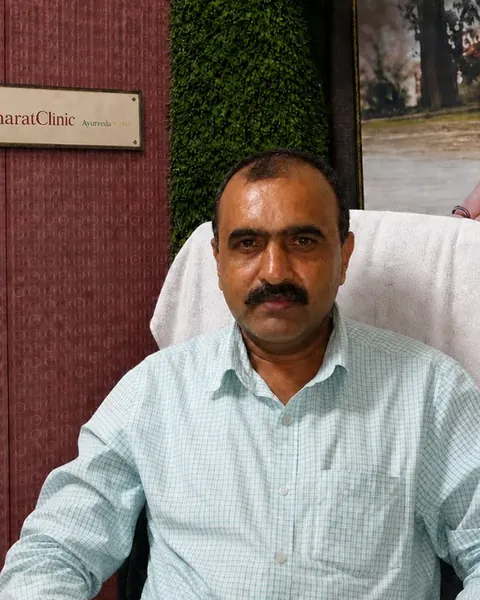
Your doctor
Dr. D.K. Sharma, the Ayurvedic doctor who sees you
Name, qualification and registration BAMS; practising since 1992 4067, Board of Ayurvedic and Unani Systems of Medicine, Punjab
Reviewed by Dr. D.K. Sharma. Approval recorded on 8 November 2026 for this exact text.
Medical content reviewed by
A private consultation, ₹500
A consultation is useful when you have tried for the times above without success, your periods are irregular or painful, or you are unsure whether to start with tests, a gynaecologist or IVF. Dr. Sharma goes through your history, cycle dates and any reports for both partners, discusses the next step, tells you plainly when a fertility specialist should be involved, and explains how supportive care at Bharat Clinic might fit alongside.
With Dr. D.K. Sharma (BAMS), in person in Ludhiana or by video; couples can join together. Your personalised Dinacharya (daily-routine) guide is prepared after the consultation. Bring the dates of your last few periods, any scan, hormone or semen reports, and a list of medicines for both of you.
To start, book a consultation in Ludhiana or by video.
The consultation
₹500In person in Ludhiana, or by video
Includes your personalised Dinacharya (daily-routine) guide, prepared after the consultation.
How booking works · no payment until step 3
- You send a request
- Suitability and a time are confirmed
- You pay ₹500
- Your slot is confirmed
- The consultation
Other costs
- Medicine, if advised
- Discussed after your consultation
- Care courses
- Discussed after your consultation
Related reading
Questions before you book
How long should we try before seeing a doctor?
Twelve months if the woman is 35 or younger, six months if she is older than 35, and straight away if she is older than
When in my cycle can I get pregnant?
How soon after a period you can get pregnant ("period ke kitne din baad pregnant hoti hai?") depends on when you ovulate.
Full answer
Ovulation (the release of an egg) usually happens about 14 days before the next period. In a regular 28-day cycle the most fertile days are around days 10 to 15, counting from the first day of bleeding. These fertile days are often called the "ovulation period"; in Hindi, ovulation is andotsarg (अंडोत्सर्ग). Rather than timing it exactly, regular sex every two or three days covers the fertile window.1 If your period is late, why periods are late lists the reasons and irregular periods says how late is too late and when to take a pregnancy test.
Which tests do both partners need?
Usually the woman's cycle and ovulation, a scan and, when needed, a tube test; for the man, a semen analysis.2 Testing both early saves time.
Blocked fallopian tubes: what are the signs and tests?
Blocked or damaged tubes are a common cause of infertility and often cause no symptoms, so they are usually found by testing.1
Full answer
The tests are done by a gynaecologist or fertility specialist, for example a dye X-ray of the womb and tubes or a keyhole look.2 A special ultrasound with contrast fluid (HyCoSy) is sometimes used to check the tubes.1 If the tubes are blocked or scarred, a fertility specialist may suggest surgery to repair them, depending on how much damage there is, or IVF.12
Does my husband need to come?
It helps, but you can start alone. A semen analysis is one of the most useful early tests, and it is simple.2
What can Ayurveda support, and when is IVF needed?
Ayurvedic care may support routine, weight, cycles and general health after assessment.
Full answer
Blocked tubes, a very low sperm count or long unexplained infertility usually need a fertility specialist, who may discuss IVF.
Is my information kept private?
What you share stays between you and the clinic, and one partner's information is shared with the other only with consent.
Can we start by video?
Yes. Your history and reports can be gone through by video. Scans and tests are arranged locally.
Understand it better
The fertile window. Pregnancy is most likely from sex in the few days before and on the day of ovulation.1
Myths. "Lying still after sex helps." It isn't needed. "If one child came easily, the next will too." Fertility can change with age and health.